Your Custom Text Here
Rhythms, Smiles, and Sunshine: Afri-Vibe Celebrates Alberta Culture Days in Stony Plain
Marimbas, steel pan and dance brought neighbours together at Stony Plain’s first Afri-Vibe Festival. One audience member’s joyful moment onstage captured the spirit of the afternoon.
A song you know sounds entirely different on a marimba. Add a steel pan, African drums, and traditional instruments, and it changes everything into a musical experience like no other.
If you happened to be walking near Red Brick Common last weekend, a space that has spent more than 50 years sharing the history and culture of our area, you probably caught a drift of something beautiful in the last few days of summer air. It wasn’t just the smell of changing leaves; it was the rich, unmistakable warmth of Caribbean steel pans, the grounding thump of djembe drums, melodic music, and the sound of pure community joy.
On September 19th, the small but growing town of Stony Plain hosted the very first Melanin Melody Arts Collective: Afri-Vibe Festival as part of Alberta Culture Days. For a few beautiful hours, the world got a little smaller, and Stony Plain grew a whole lot closer.
A Musical Passport at Our Doorstep
Africentric Arts and Red Brick Common invited neighbours to spend an afternoon with African and Caribbean artists. Some visitors knew the music well. For others, it was a chance to hear these instruments and traditions in person for the first time.
The festival was a vibrant reminder of how much culture can teach us when we listen with an open heart. As the energetic rhythms of West African djembe drumming filled the air, by Tomitope, Africentric Arts’ drummer and trainer, the crowd was soon tapping their toes to the deep, woody resonance of Marimba Power. This Zimbabwean troupe mastered music on giant wooden marimbas, conga and bongo drums, and chimes, making the audience think twice with unique covers of familiar songs like Bob Marley’s “Jamming” and Ritchie Valens’ “La Bamba”.
Echo & Flow then journeyed the audience to the Caribbean with the smooth, sweet, and tropical sounds of the steel pan. Jalimadi, an international artist from The Gambia who performs across Canada, shared the storytelling magic of Afro-Mandinka music.
Before long, Red Brick Common felt like a global block party. Watching young Canadian youth from UCAS/ADPA showcase their traditional Ugandan cultural dance alongside trending Afrobeat moves showed everyone just how powerful art is at keeping heritage alive.
The Dance That Stole the Show
But the absolute best part of any community gathering isn’t just what happens on the stage, it’s what happens in the crowd.
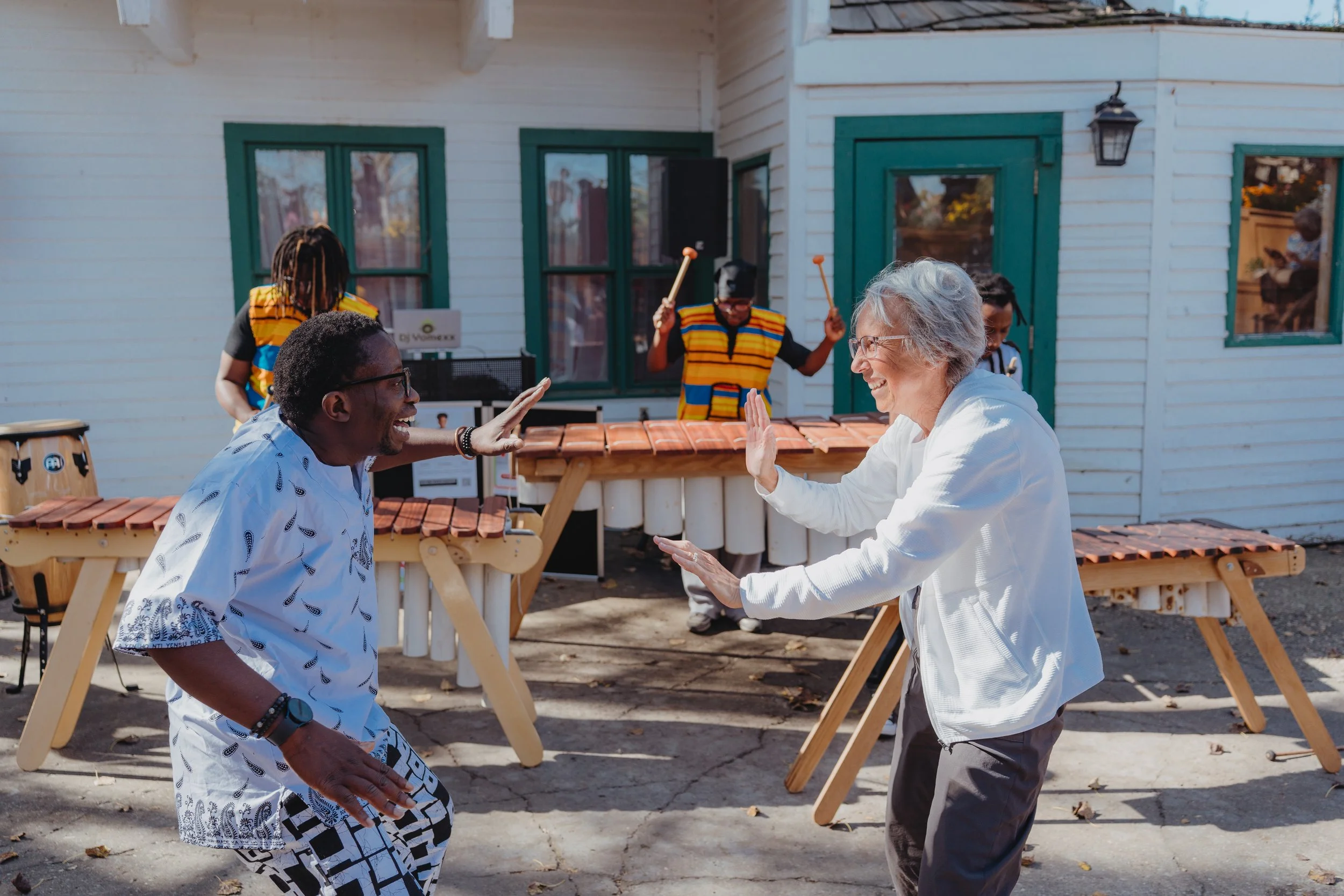
The performances struck a deep chord with one local resident who moved to Canada from South Africa exactly 50 years ago. Stirred by the familiar sounds of home, she couldn’t help but step right up onto the stage to dance alongside the performers, and she was quickly joined by others.
Beaming, she told the crowd that the music moved her so deeply, it truly felt like Africa. In that single, beautiful moment, decades of history and thousands of miles evaporated into a shared smile. That is exactly what the sharing of culture can create: a space where people feel welcome, seen, and connected.
It Takes a Village
An afternoon this special doesn’t just happen on its own. It takes a wonderful community of people to bring it to life.
From community leaders standing side-by-side with residents to support grassroots visions, to local youth serving their town with their time and talents, to artists sharing their work and the people coming out in support of it all; what a beautiful way to embody Alberta Culture Days.
To everyone who helped plan and run the festival, contributed your time, skills and genuine love, or came out to clap along and dance, thank you. You helped make our first Afri-Vibe Festival a success.
Here’s to the first of many more rhythms to come!
Want to see the smiles for yourself? Cozy up and browse through our Photo & Video Gallery or read the New Release .
This beautiful community day was proudly supported by the Government of Alberta through Alberta Culture Days, the Town of Stony Plain, and Green Bloom Media.
Photographer: Shotbyabdl
Music: DJ Yomexx
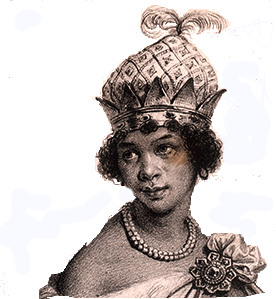
Queen Nzinga Mbande of Angola: Africa’s Female Warrior
-
Long ago, on the western coast of Southern Africa, there stood a powerful kingdom called Ndongo.
It was home to the Mbundu people.
They farmed the fertile land, fished in the rivers, hunted and raised livestock. They shaped iron into tools for farming and weapons for protection. They made pottery, wove cloth, carved wood and created baskets with careful hands.
Traders travelled along inland paths and coastal routes, carrying food, iron, cloth, salt, livestock and other goods from one community to another.
Ndongo grew in wealth.
It grew in influence.
And at the centre of the kingdom stood its ruler, King Ngola Kiluanji Kia Samba.
One day, one of the king’s wives, Kengela ka Nkombe, gave birth to a baby girl.
But something went wrong.
The baby’s umbilical cord was wrapped around her neck. The people watched anxiously as it was carefully untangled.
The child survived.
Some believed that her unusual birth was a sign. This child, they said, had entered the world twisting against danger. Perhaps she had been born for an extraordinary life.
The king named her Nzinga Mbande, a name connected to twisting and turning.
Nzinga grew close to her father. In the palace, she sat beside him while leaders discussed war, trade, alliances and the affairs of the kingdom.
She listened.
She watched.
And she learned.
Nzinga also watched the soldier’s train. She studied how they moved, how they protected themselves and how they prepared for battle.
The king saw her interest and allowed her to train beside them.
Nzinga was still young, but she was already learning that leadership required more than strength.
It required patience.
It required courage.
And it required knowing when to speak.
-
For many years, Portuguese traders and missionaries had travelled into the region. They exchanged goods and introduced Christianity.
But trade was not enough for them.
They wanted more.
More land.
More power.
And more people.
The Portuguese had established plantations in Brazil. Those plantations required large numbers of workers, but the Portuguese did not intend to pay them or allow them to live freely.
They began capturing people.
They formed armies, entered Mbundu communities and forced men, women and children from their homes. Those they captured were enslaved and transported across the Atlantic Ocean to Brazil.
The Portuguese carried guns and other powerful weapons.
Nzinga grew up watching her father fight to protect Ndongo.
As the years passed, Portuguese forces moved farther into the kingdom. They built military camps, supported leaders who agreed to work with them and attacked communities that resisted.
They captured people.
They separated families.
Farms were abandoned.
Fear spread through the kingdom.
King Ngola Kiluanji Kia Samba fought to defend Ndongo, but the pressure did not stop.
When the king died, Nzinga’s brother Mbandi became the new ruler.
He inherited a kingdom already in danger.
Some leaders wanted to fight.
Some wanted to negotiate.
Others chose to support the Portuguese.
Mbandi needed someone who could face the Portuguese without fear. He chose his sister.
Nzinga was a trained fighter. She spoke Portuguese and other languages. She understood politics, negotiation and the responsibilities of leadership.
Mbandi sent her to Luanda to speak on behalf of Ndongo.
-
Luanda was a coastal city controlled by the Portuguese.
It had become the centre of Portuguese power in the region and a major port where captured people were taken before being transported across the ocean.
Nzinga did not arrive quietly.
She travelled with a large group of attendants. She wore layers of rich cloth, jewellery around her neck and arms, and colourful feathers in her hair.
The women and attendants who travelled with her were also dressed for the occasion. One carried her royal staff.
People stopped to watch as she passed through Luanda.
They knew someone important had arrived.
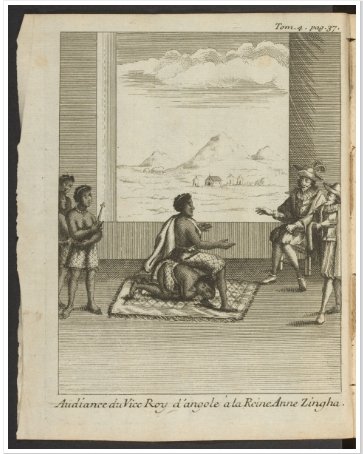
When Nzinga entered the governor’s residence, she saw that a chair had been prepared for him.
But there was no chair for her.
Only a mat had been placed on the floor.
The message was clear.
The governor expected to sit above her.
Nzinga stood still and looked around the room.
Then she turned to one of her attendants and gave a signal.
The attendant lowered to the floor on hands and knees, keeping their back straight.
Nzinga calmly sat on the attendant’s back.
Now she was seated at the same height as the governor.
She looked directly at him.
The meeting could begin.
Nzinga spoke about the Portuguese soldiers who had entered Ndongo. She spoke about the people they had captured and the land they had taken.
She demanded that the Portuguese withdraw their forces and respect the authority of Ndongo.
The governor had expected to intimidate her.
Instead, he found himself facing a woman who refused to be treated as less than a ruler.
Nzinga remained in Luanda while the discussions continued. During her time there, she became a Christian and received the name Ana de Sousa.
The Portuguese believed that her conversion might make her more willing to cooperate with them.
They promised to withdraw from some of the areas they had occupied and to respect Ndongo’s authority.
Nzinga returned home.
-
The Portuguese continued moving farther into Ndongo.
They captured more people, occupied more land and supported leaders who were willing to work with them.
Then King Mbandi died.
Nzinga stepped forward to lead Ndongo.
But not everyone accepted her.
Some leaders argued that a woman could not become ngola, the ruler of the kingdom. Others supported a male heir from her brother’s family.
The Portuguese saw an opportunity.
They supported a man named Hari a Kiluanji and declared him the rightful ruler of Ndongo.
But Nzinga refused to surrender her claim.
She gathered the people who still supported her and prepared to defend the kingdom.
Soldiers joined her.
Displaced families joined her.
People who had escaped capture joined her.
Still, the Portuguese had guns, military camps and powerful allies. Their attacks grew stronger, and Nzinga began losing important parts of Ndongo.
She fled south with her supporters to a place called Ngangela, where her brother Ndala Kisuba owned land.
The Portuguese followed.
They attacked again.
This time, they captured Nzinga’s sisters, Kambu and Funji.
Nzinga was forced to leave Ngangela.
She had lost land.
She had lost supporters.
Her sisters were in captivity.
But she had not lost her determination.
-
Nzinga moved east towards the Kingdom of Matamba.
There, she fought the forces controlling the kingdom, removed its ruler and took leadership of Matamba.
Then she began again.
She brought together soldiers, farmers, traders and families who had been driven from their homes.
She strengthened her army.
She increased trade.
She turned Matamba into the new centre of her power.
People escaping areas controlled by the Portuguese came to Matamba and joined her. Nzinga also formed alliances with powerful military groups in the region.
From Matamba, she continued resisting Portuguese control and claiming her right to rule Ndongo.
At the same time, the Netherlands was at war with Portugal. The Dutch attacked Luanda and took the city from the Portuguese.
Nzinga and the Dutch now shared the same enemy.
So they joined forces.
With Dutch support, Nzinga began fighting to recover the lands the Portuguese had taken from her. Forces connected to the Kingdom of Kongo and other African allies also joined the campaign.
Together, they faced Portuguese soldiers, African troops allied with Portugal and supporters of the Portuguese-backed ruler of Ndongo.
At the Battle of Kombi, Nzinga and her allies defeated the Portuguese-allied army.
It was a major victory.
Her forces regained territory and placed new pressure on Portuguese positions.
For a moment, it seemed that Nzinga might recover much of Ndongo.
After the victory, her forces moved against Massangano, one of the strongest Portuguese fortresses near the Kwanza River.
But Massangano was protected by thick walls and strong defences.
Nzinga had defeated the army at Kombi.
She could not break through the fortress.
The war continued.
The following year, Portuguese reinforcements arrived from Brazil. They recaptured Luanda and forced the Dutch to leave the region.
Without Dutch military support, Nzinga withdrew once again to Matamba.
But she remained its ruler.
And she did not surrender.
-
Years passed.
Nzinga continued resisting Portuguese control, but as she grew older, she began using negotiation more often in her effort to end the fighting.
Christian teachers carried messages between Nzinga and the Portuguese.
Again and again, she demanded the return of her sister Kambu, who had been baptized and given the name Barbara.
The Portuguese had held her for many years.
Nzinga’s other sister, Funji, had been baptized as Dona Graça. While in captivity, Funji secretly sent information to Nzinga about Portuguese military plans.
She placed herself in great danger to help her sister.
Portuguese soldiers later found Funji’s letters in one of Nzinga’s military camps.
When they discovered what she had done, they killed her.
Nzinga had lost a sister.
Still, she continued pushing for peace.
She continued demanding Kambu’s return.
After many years of fighting, Queen Nzinga and the Portuguese finally reached a peace agreement.
The Portuguese had failed to conquer Matamba.
They had failed to remove Nzinga from power.
They recognized her as the ruler of Matamba and agreed to stop attacking the kingdom.
They also released Kambu and allowed her to return home.
Nzinga continued ruling Matamba.
She strengthened trade, worked to maintain peace and prepared Kambu to become the next ruler.
Queen Nzinga Mbande died peacefully in Matamba at about eighty years old.
After her death, Kambu became the ruler of Matamba.
-
Today, statues, streets, books and cultural works continue to honour Queen Nzinga Mbande in present-day Angola.
She is remembered as a powerful and experienced leader who spent much of her life protecting her people and defending her right to rule.
She did not win every battle.
She did not recover everything that had been taken.
But she refused to disappear.
When she lost Ndongo, she built power in Matamba.
When military alliances failed, she changed her strategy.
When the Portuguese tried to replace her, she continued ruling.
When they tried to intimidate her, she sat at their height and looked them directly in the eye.
The Kingdom of Matamba remained independent for many years. The Portuguese did not gain complete control of the region during Nzinga’s lifetime.
Centuries after her death, Portugal gained wider control over Angola. Angolans later fought against Portuguese colonial rule.
On November 11, 1975, Angola became an independent country.
Across Africa and around the world, many women have risen against foreign occupation, injustice and oppression.
But Queen Nzinga’s story continues to stand apart.
It is the story of a child who listened closely.
A woman who learned to lead.
A ruler who knew when to fight and when to negotiate.
And a queen who refused to sit below anyone.
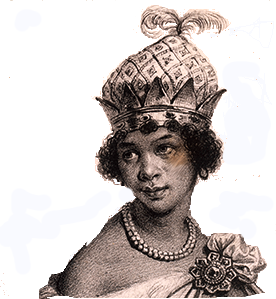
Queen Nzinga Mbande (Anna de Sousa Nzinga)
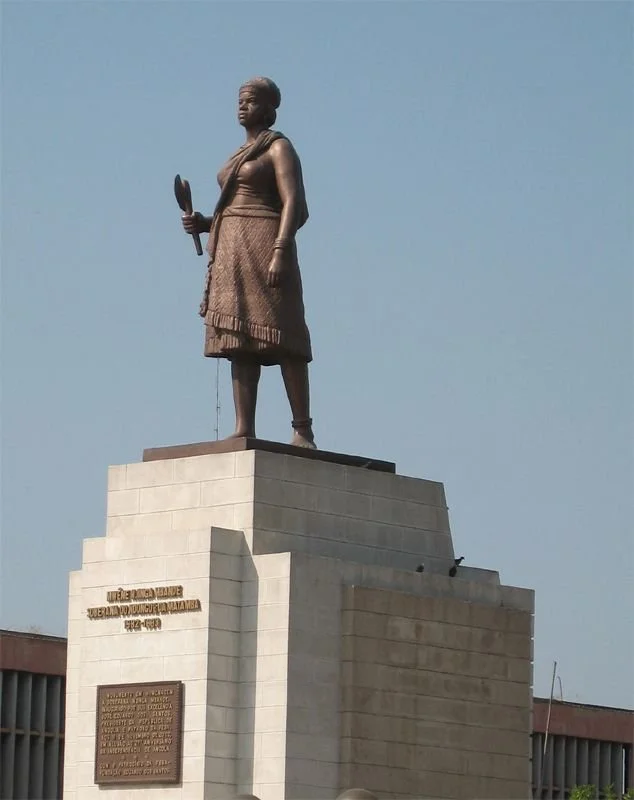
Military Museum in Luanda, Angola.
Black History Month 2026 Marks a Historic Milestone for the Tri-Municipal Region
Tri-Municipal residents and leaders came together to celebrate Black history, culture, and achievements this February 2026.
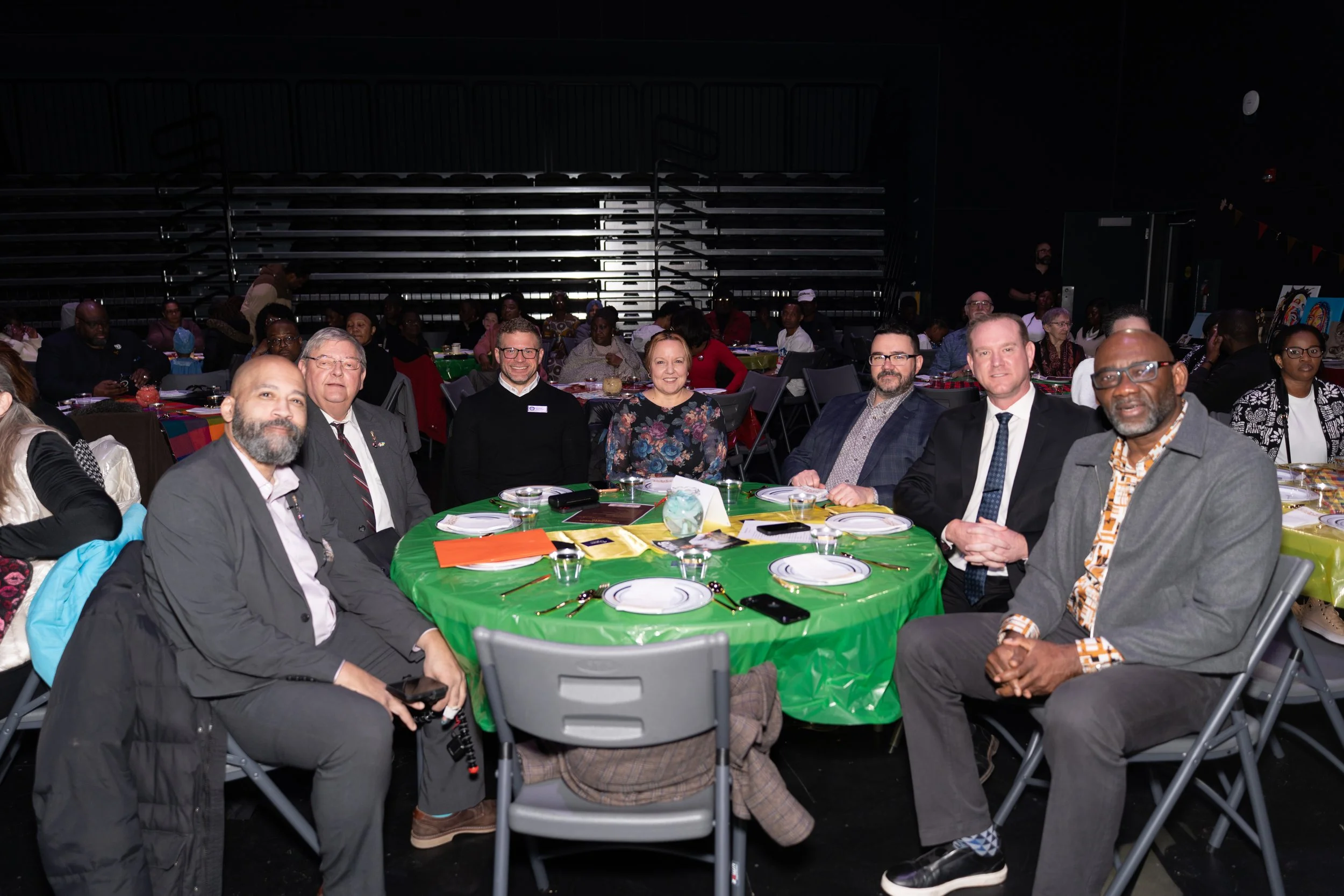
Candlelight Stories 2026/ ABDL
February 2026 was a historic moment for the Tri-Municipal region. Residents across Spruce Grove, Stony Plain, and Parkland County came together to experience Black history, culture, and stories in vibrant, meaningful ways. From the region’s first public civic proclamations to a sold-out storytelling event, the month brought history to life, united community leaders, gave youth a stage to shine, and created a space for reflection, connection, and celebration.
Through the leadership of Africentric Arts, Black Legacy & Cultural Kinship Society Parkland (B.L.A.C.K.S Parkland), and the City of Spruce Grove, Black History Month 2026 became a landmark moment for the region. Together, these organizations united the community around a shared goal: celebrating Black history and culture while highlighting the contributions of Black Canadians in visible and meaningful ways.
The month began on February 2, 2026, when Mayor Jeff Acker officially proclaimed February as Black History Month at Spruce Grove City Hall. The city’s first public recognition of the month brought together youth, families, community leaders, and local organizations from across the Tri-Municipal region and Edmonton. Civic leaders emphasized the importance of inclusion, diversity, and recognizing the contributions of Black Canadians to regional life, while also acknowledging ongoing challenges and reaffirming a commitment to supporting underrepresented communities.
The celebration continued on February 20, 2026, with the sold-out Candlelight Stories event at the Black Box Theatre. Families, youth, and community members from Spruce Grove, Stony Plain, Parkland County, and Edmonton filled the theatre for an evening of storytelling, music, drumming, dance, and visual art. The event brought Black history and culture to life, creating an immersive space for learning, reflection, and joy.
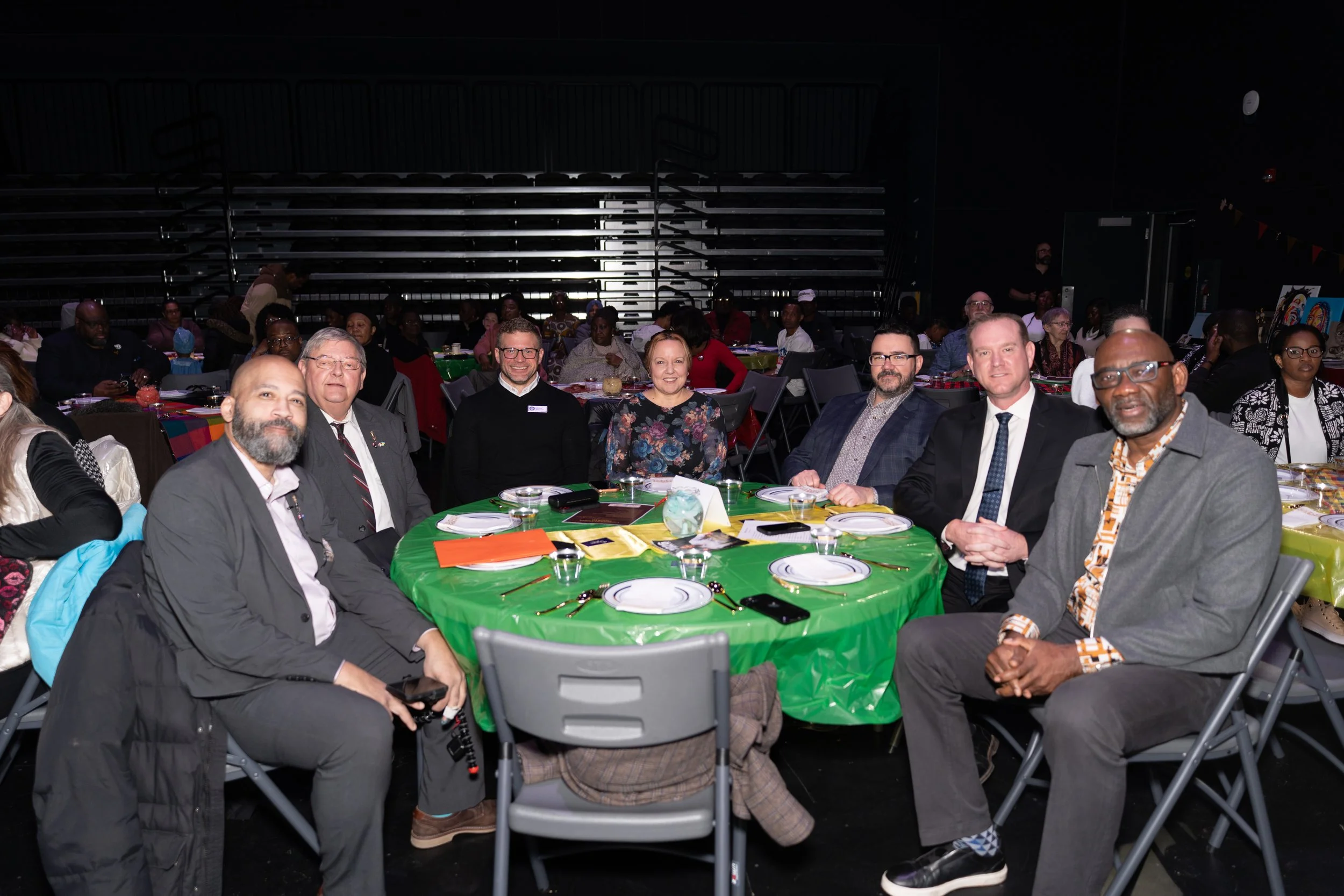
Candlelight Stories drew an impressive array of civic and community leaders, highlighting the event’s regional significance. Attendees included Mayor Jeff Acker and Spruce Grove councillors, Councillor Eric Meyer of Stony Plain, David Shepherd, MLA for Edmonton-City Centre and keynote speaker, Lorne Dach, MLA for Edmonton-McClung, and Okwuchi Nnani, Director of Stakeholder Relations for the Office of the Premier of Alberta. Leadership from education and community organizations, including Dr. Lorraine Stewart, Board Chair of Parkland School Division and President of the Public-School Boards’ Association of Alberta, and Samuel Juru of the Edmonton Newcomer Centre, also participated. Local faith leaders, Pastor Rod Charles of Spruce Grove’s Bethel Apostolic Church and Pastor Clive Atkinson of Edmonton’s Higher Ground Tabernacle Ministry, underscored the broad community support for cultural celebration and storytelling.
The event came to life thanks to the generous support of financial and community partners, including the City of Spruce Grove, Town of Stony Plain, Green Bloom Media, Computer Insights, Rise Up Massage & Wellness, That Yoga Place, Khasa Foundation, Spruce Grove Public Library, Raven Wolf Brewing Co. Ltd., Dyronn’s Kitchen, Bethel Apostolic Church of Stony Plain, Arts with Ola and Bolga Boutique.
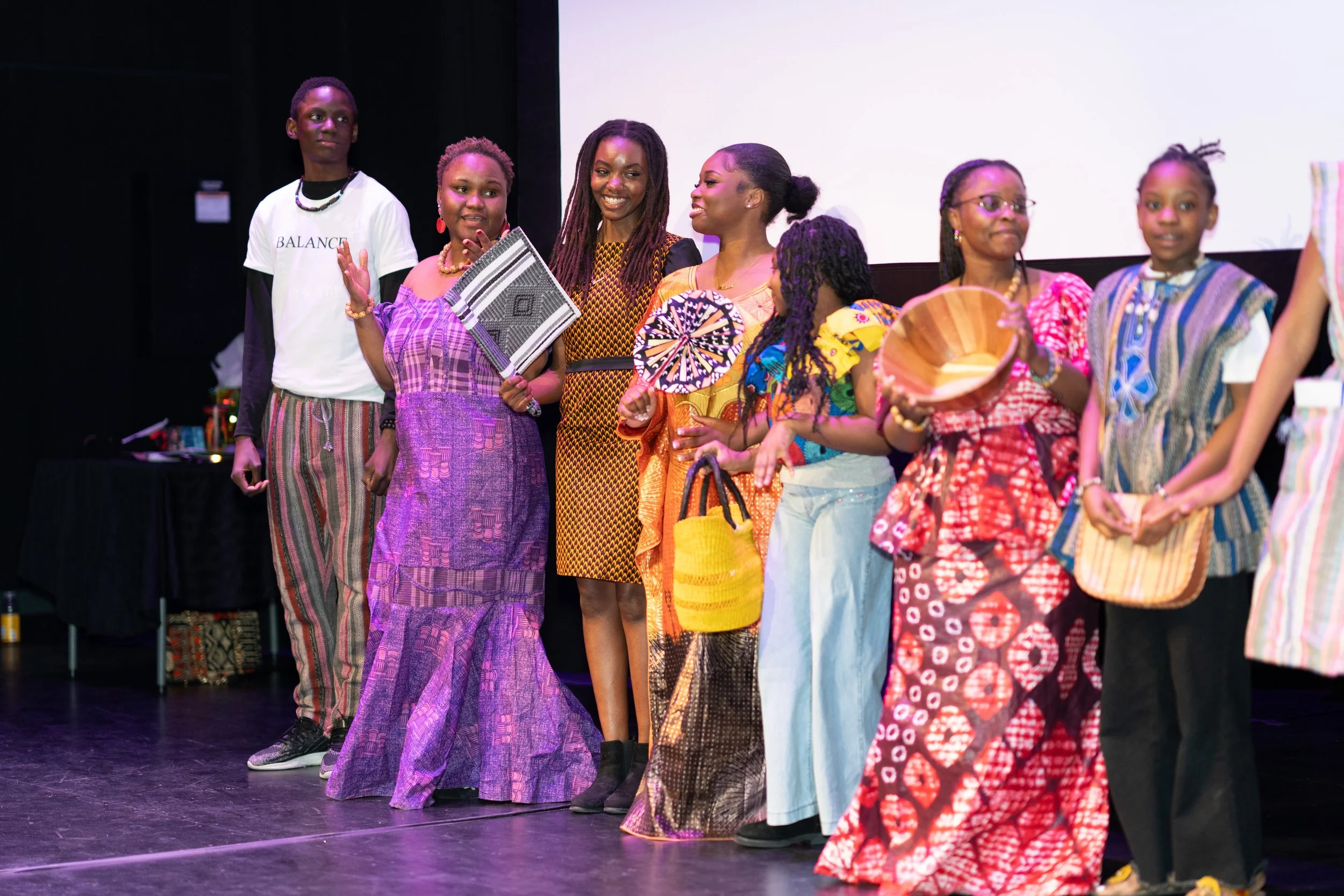
Candlelight Stories also highlighted the talent of local artists and performers. The Uganda Cultural Group (UCAS/ADPA), Dester Band, pianist Acacia Kabba, singers Chrisly Creations and Maria Charles, and poet Francess Cowan brought energy, creativity, and storytelling to the stage, captivating the audience and making the celebration unforgettable.
Black History Month 2026 intentionally showcased the lasting contributions of Black Canadians to culture, identity, advocacy, business, art, justice, and sport. The events created meaningful opportunities to honour the legacy, achievements, and leadership of Black Canadians who have shaped Alberta and Canada. Their resilience and cultural influence continue to strengthen communities, inspire the next generation, and foster lasting solidarity across the Tri-Municipal region.
See Photo Gallery Below
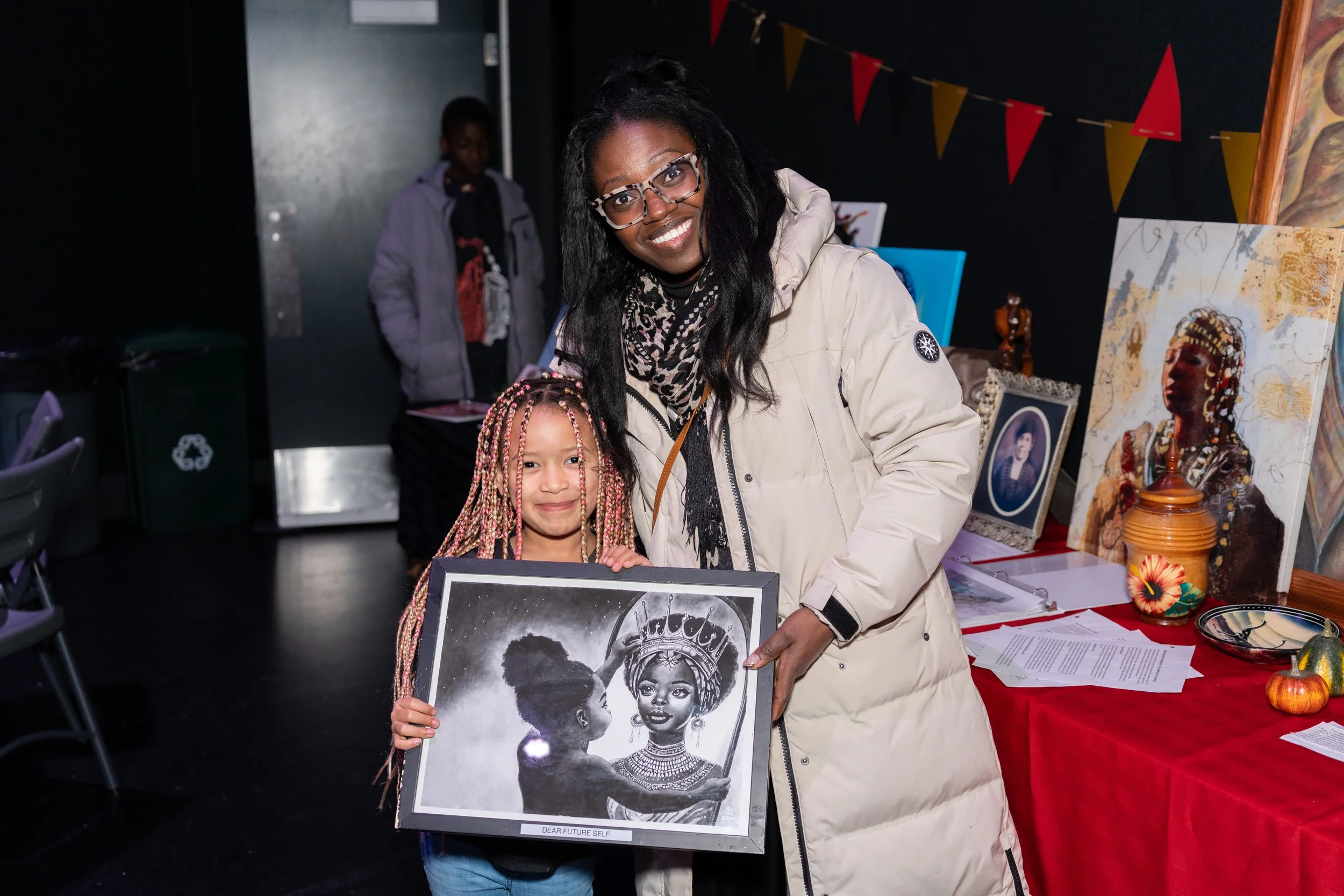

Are We Teaching Kids What Inclusion Really Means?
It is easy to assume that children naturally know how to include others.
But the truth is, many grow up without ever being shown what real inclusion looks like, and who gets left out as a result.


Why Youth Leadership Matters
Explore how youth leadership drives personal growth, strengthens communities, and inspires transformative change across Canada and beyond.

Why Youth Leadership Matters
In every young person lies the potential to lead—not just in their personal lives but in their communities and even on a global scale. Leadership isn’t reserved for adults or those in positions of power; it starts with a single decision to inspire, create change, and make an impact.
For African and Black youth, leadership also means embracing cultural identity, breaking barriers, and challenging stereotypes. It’s about shaping a future where their voices are heard, celebrated, and central to change. Leadership is transformative. It builds confidence, hones communication, and develops problem-solving skills. These qualities don’t just shape careers—they shape lives.
As parents and community members, encouraging our kids to step into leadership roles might be the greatest gift we can give them.
Empowering Personal Growth: The Leadership Journey
Imagine a young person discovering their voice, standing before their peers, and sharing a vision that sparks action. For Black youth in Canada, leadership means navigating unique challenges—from systemic inequities to underrepresentation—while building confidence and resilience.
Youth leadership programs like Africentric Arts’ iLead equip young people with essential skills like problem-solving, communication, and collaboration. These abilities don’t just open doors—they transform lives, giving youth the power to overcome barriers and achieve greatness.
How Youth Leaders Address Key Issues in Canada
BIPOC (Black, Indigenous, and People of Color) youth are leading the charge in addressing systemic challenges, creating inclusive communities, and fostering impactful change across Canada. Their leadership spans a variety of critical areas:
Environmental Advocacy and Climate Action
BIPOC youth are at the forefront of environmental justice initiatives, tackling the disproportionate impact of climate change on marginalized communities. Programs like the Black Environmental Initiative promote sustainable practices and create career opportunities for Black youth in the environmental sector, empowering them to lead within their communities.
Mental Health and Wellness
Mental health disparities continue to affect marginalized communities, but BIPOC youth are breaking the stigma through culturally sensitive initiatives. The Youth Advisory Council under the Jane Goodall Institute is one such program where young leaders drive self-directed projects that prioritize mental well-being and strengthen community connections.
Technology and Entrepreneurship
Empowering youth with modern skills is key to building economic equity. Programs like Tech Spark, Canada’s first technology and design school for BIPOC students, address the digital divide while offering entrepreneurship training and financial literacy. These initiatives equip young people with the tools to thrive in the tech-driven economy.
Arts and Cultural Preservation
Youth leaders are using art to preserve and celebrate cultural heritage while addressing pressing social issues. Organizations like Africentric Arts provide young creators with platforms to express their identities, inspiring pride and fostering unity within their communities.
Policy Advocacy and Legal Challenges
BIPOC youth are also holding institutions accountable for their actions. Recent youth-led climate lawsuits, such as the case in Ontario, showcase their commitment to creating a sustainable future. These efforts emphasize the role of youth as catalysts for policy change, ensuring a better tomorrow for all Canadians.
Social Justice and Equity
From advocating for anti-racism education to amplifying voices in inclusion and diversity initiatives, BIPOC youth are sparking national conversations. Their leadership in grassroots organizations and movements ensures that representation and equity remain at the forefront of Canada’s social progress.
Through these efforts, BIPOC youth in Canada are not just addressing current challenges—they are reshaping the future, creating spaces where every voice matters, and proving that leadership begins with those ready to take action.
Why Youth Leadership Programs Are Essential
Structured programs like Africentric Arts’ iLead Youth Leadership Program provide youth with the mentorship, skills, and community support needed to thrive. They teach young people that their voice matters and that they have the tools to create real, lasting change. These programs teach young people that their voice matters and that they have the tools to create real, lasting change.
Through programs like iLead, youth:
Advocate for themselves and their communities.
Address systemic challenges with innovative solutions.
Celebrate their identity while working toward a more inclusive future.
By participating in leadership programs, youth learn to foster meaningful relationships, tackle local issues like food insecurity or mental health awareness, and take their leadership beyond borders.
Join the Movement: Build a Better Future
Leadership isn’t just about leading others; it’s about leading oneself toward a better future. By embracing leadership, youth become the catalysts for personal success, social progress, and global impact.
For African and Black youth in Canada, leadership isn’t just about the present—it’s about reshaping the future. Whether it’s addressing systemic issues, empowering peers, or creating global change, the potential for youth leadership is limitless.
Parents, guardians, and educators: now is the time to encourage the young people in your life to engage in leadership programs and activities. These initiatives are not just investments in their future; they are investments in stronger communities and a better world.
The world is waiting for the leader within you—or within the young people in your life.
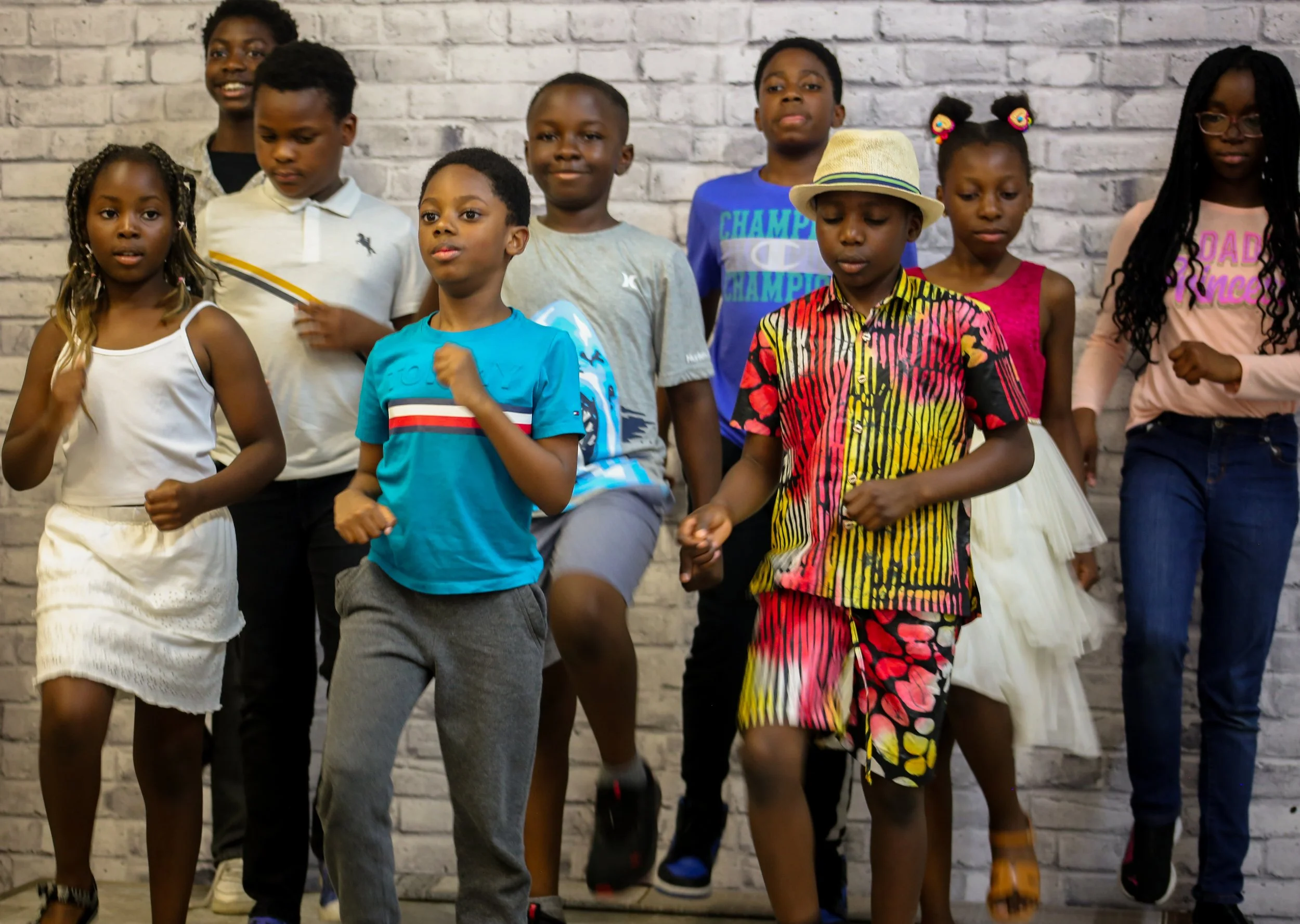
Discovering Hidden Talents: Africentric Arts Summer Camp
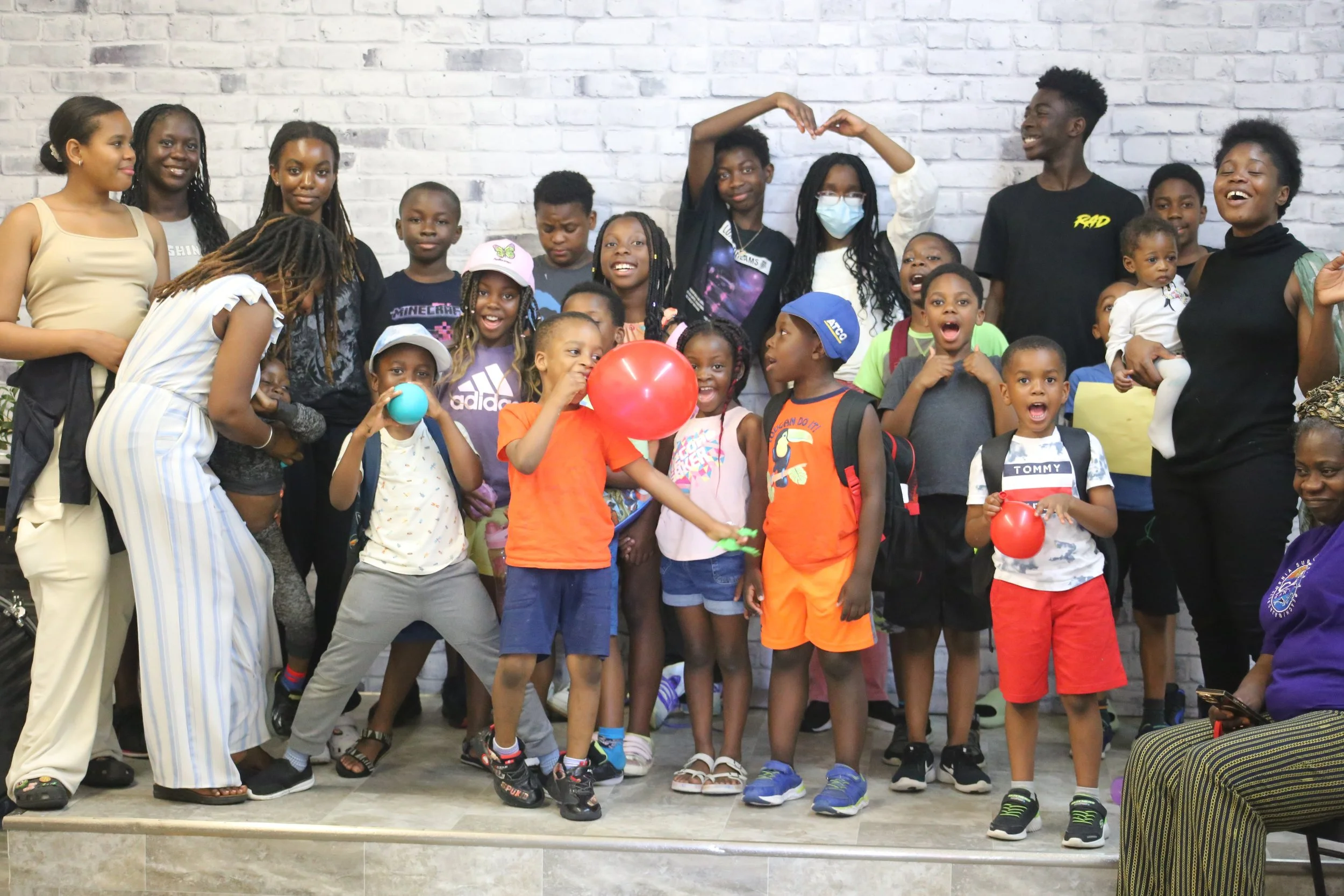
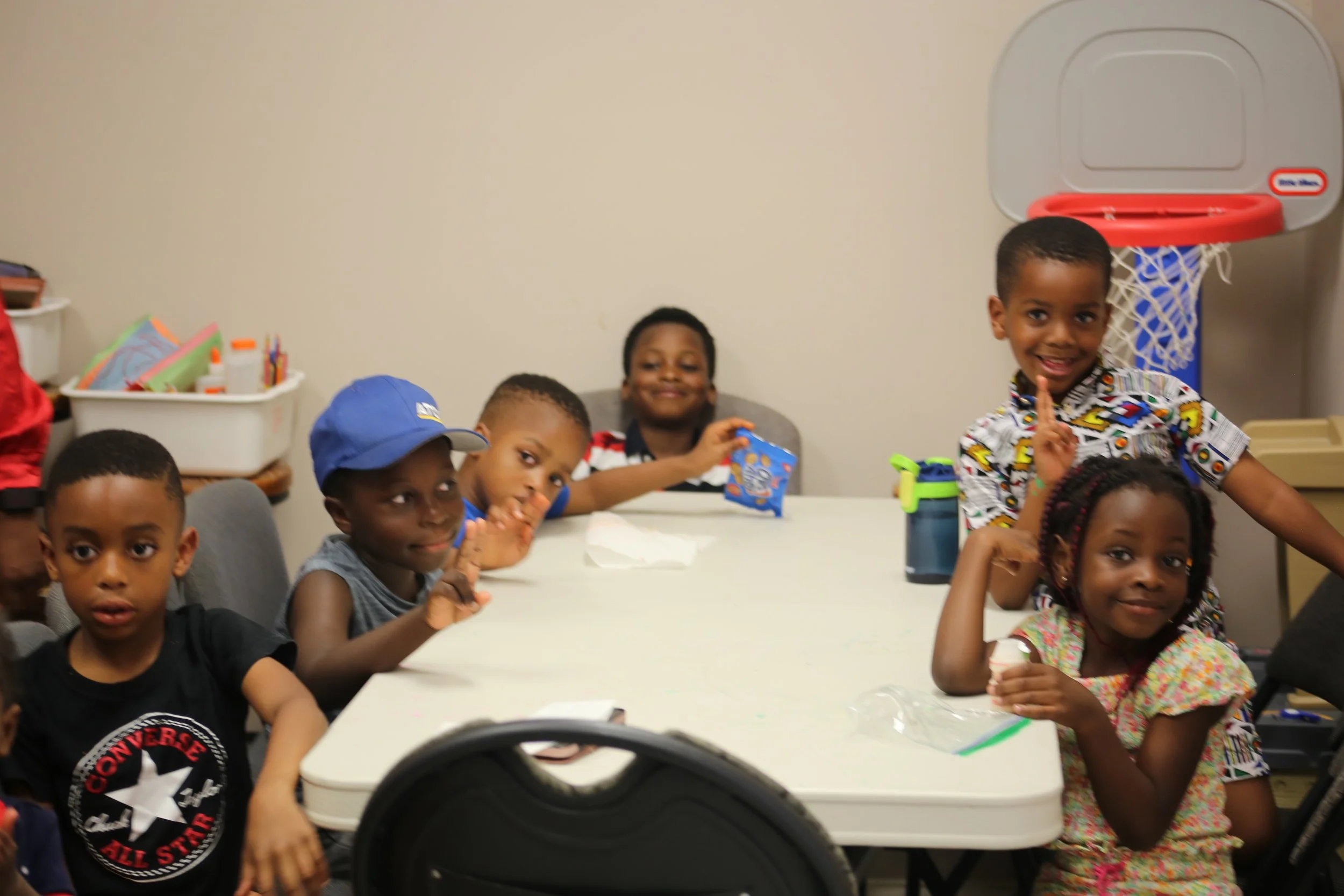
This July, Africentric Arts hosted a transformative summer camp in Stony Plain, offering children aged 4 to 12 a unique experience of creativity, self-discovery, and fun. From djembe drumming to drama and arts and crafts, campers uncovered hidden talents and made lasting memories while breaking away from digital distractions and learning the value of community service.
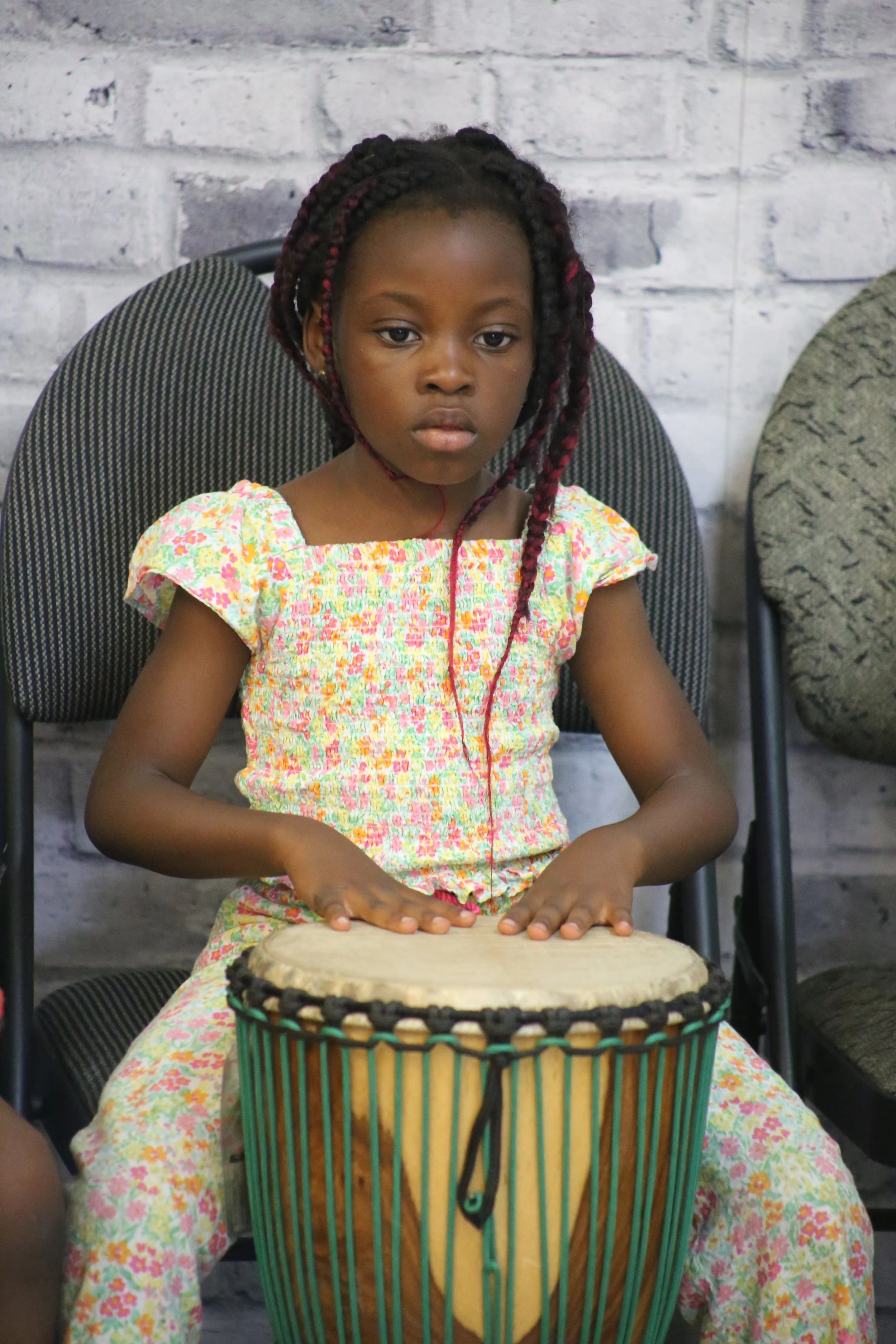
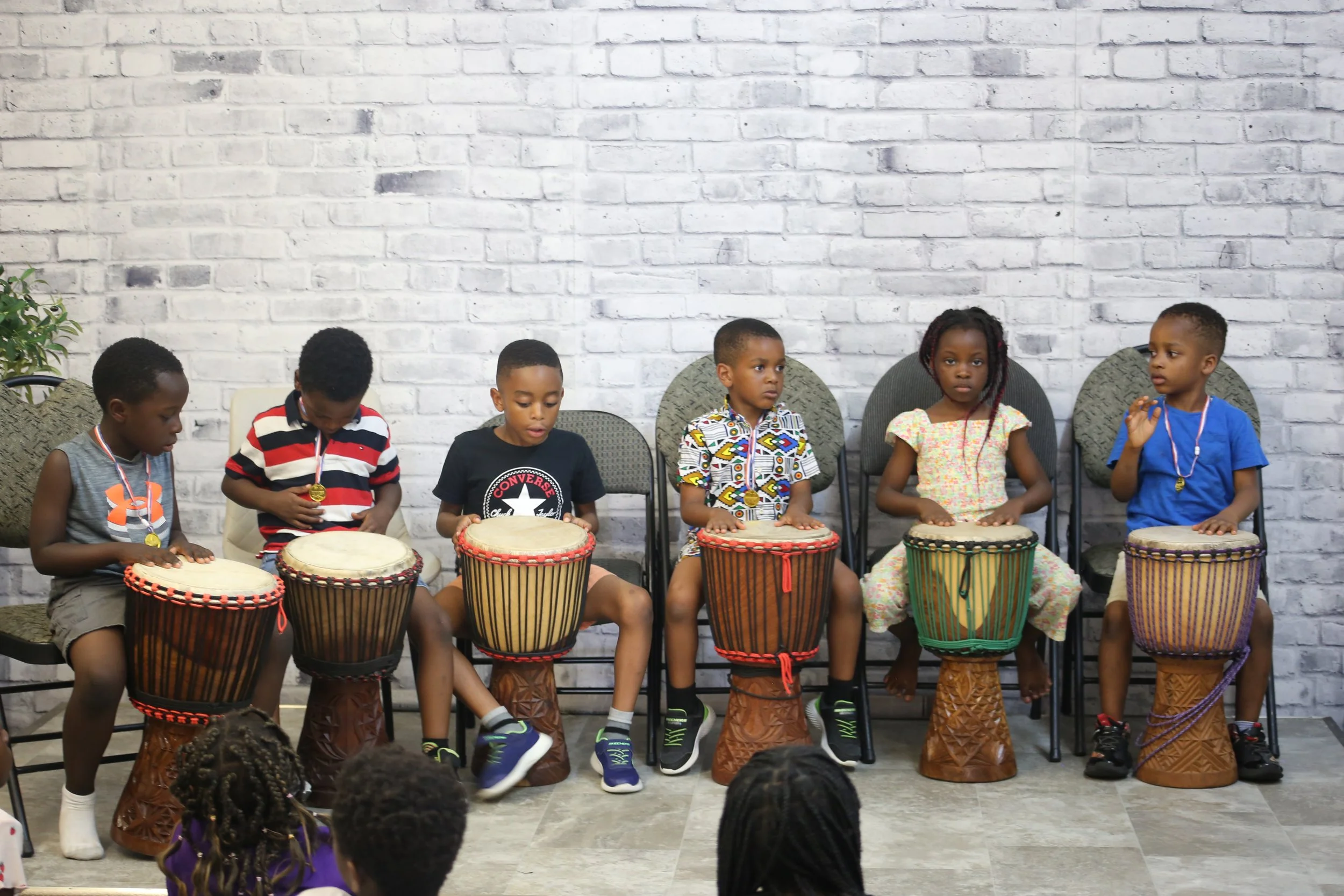
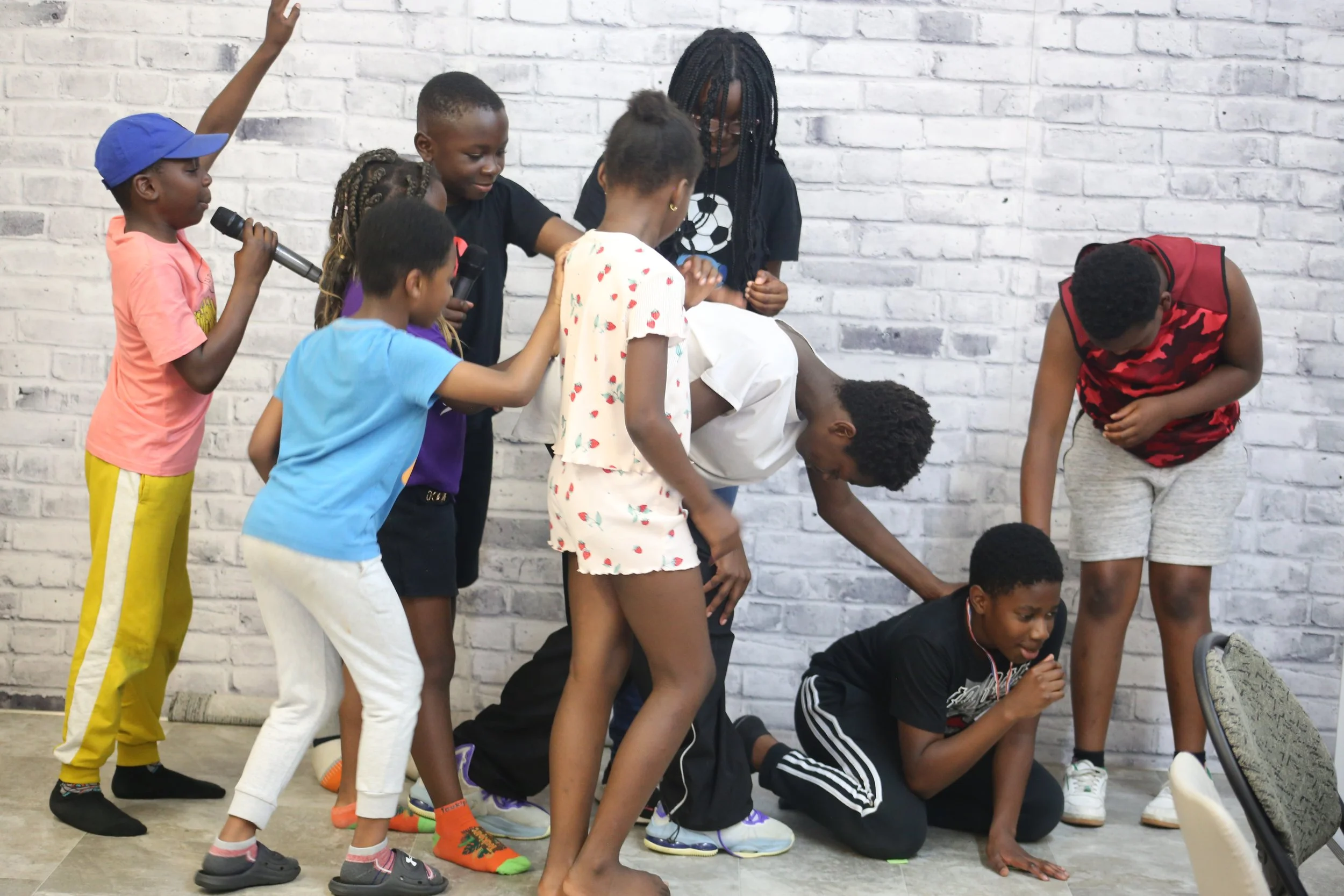
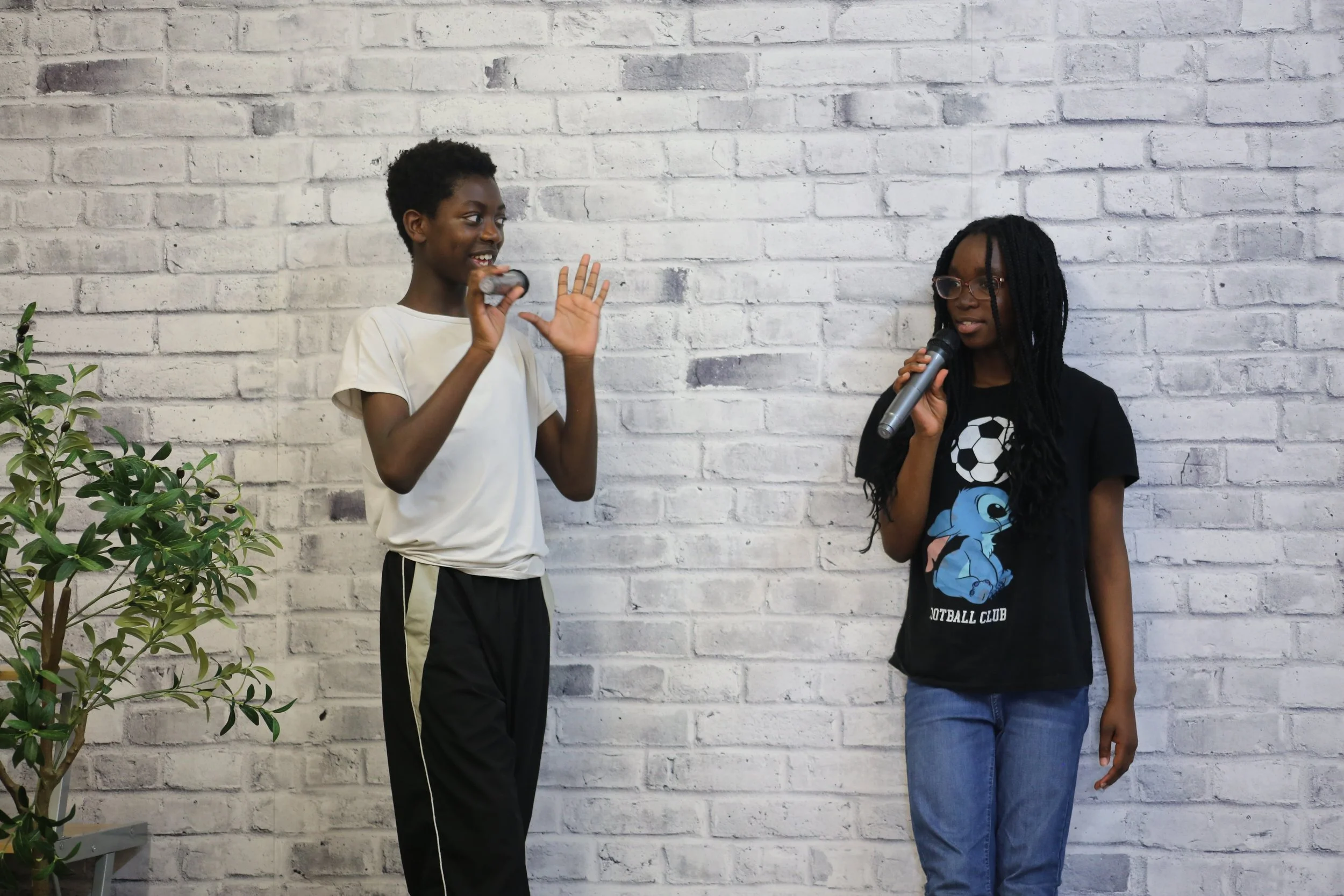
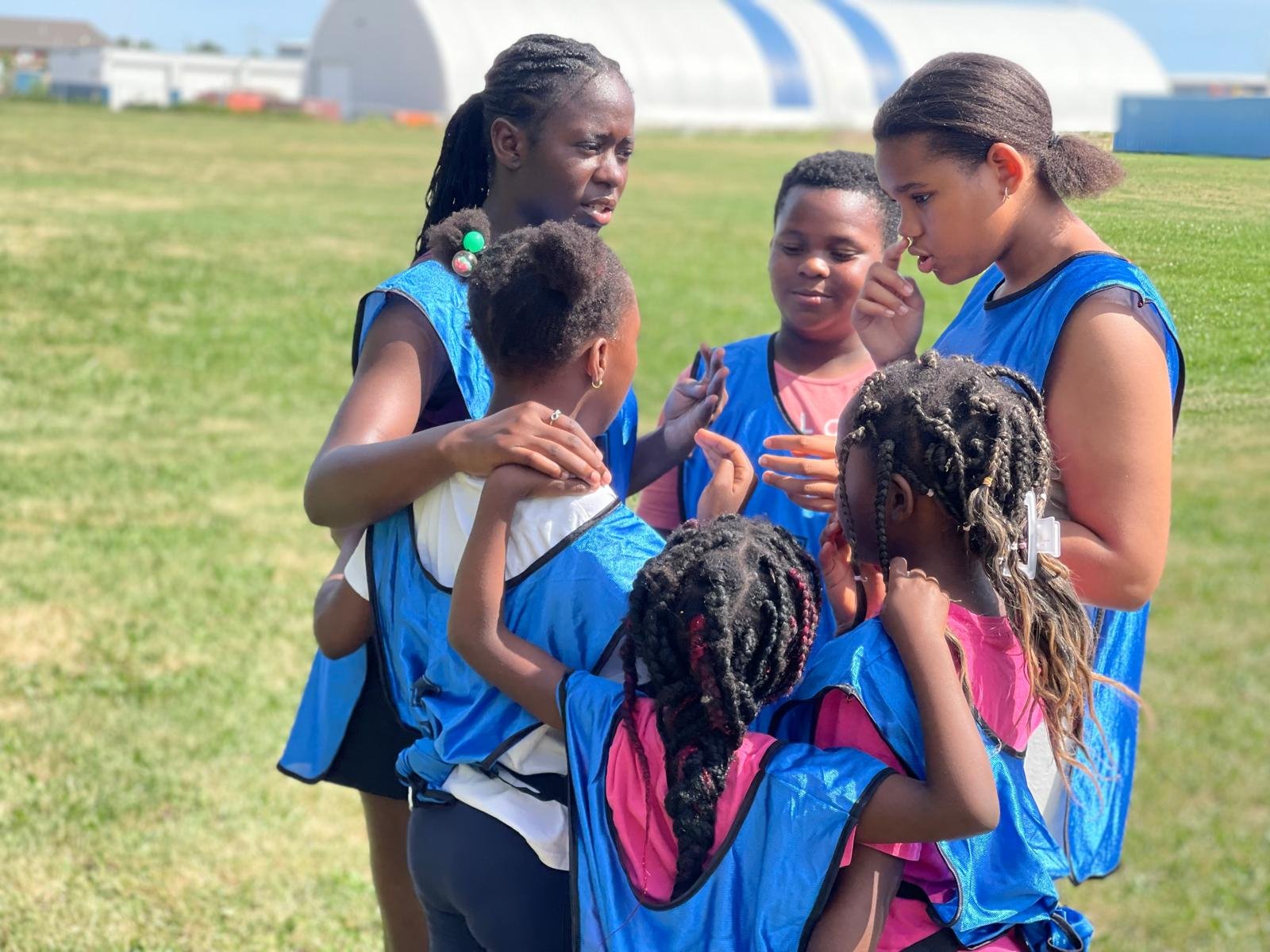
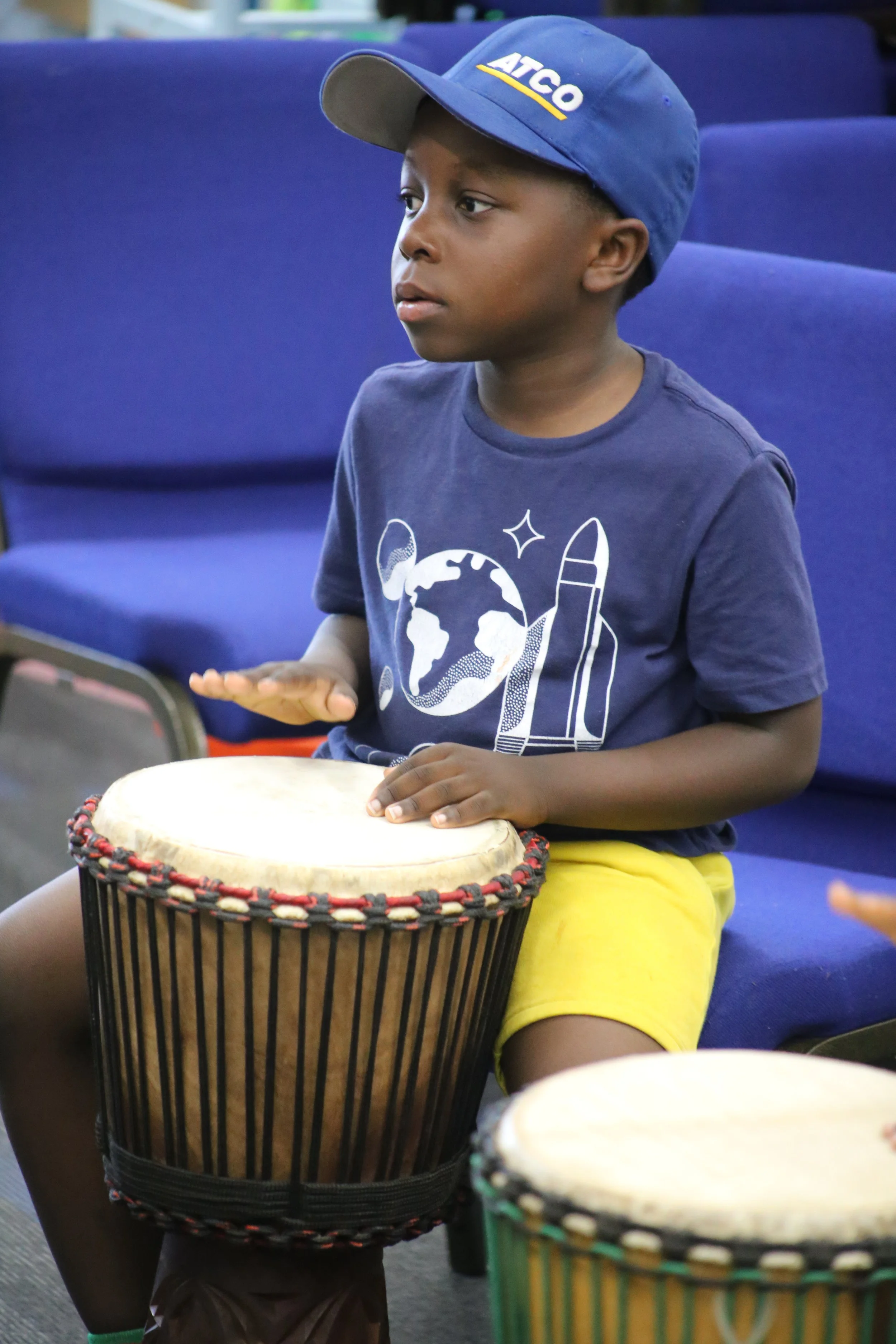
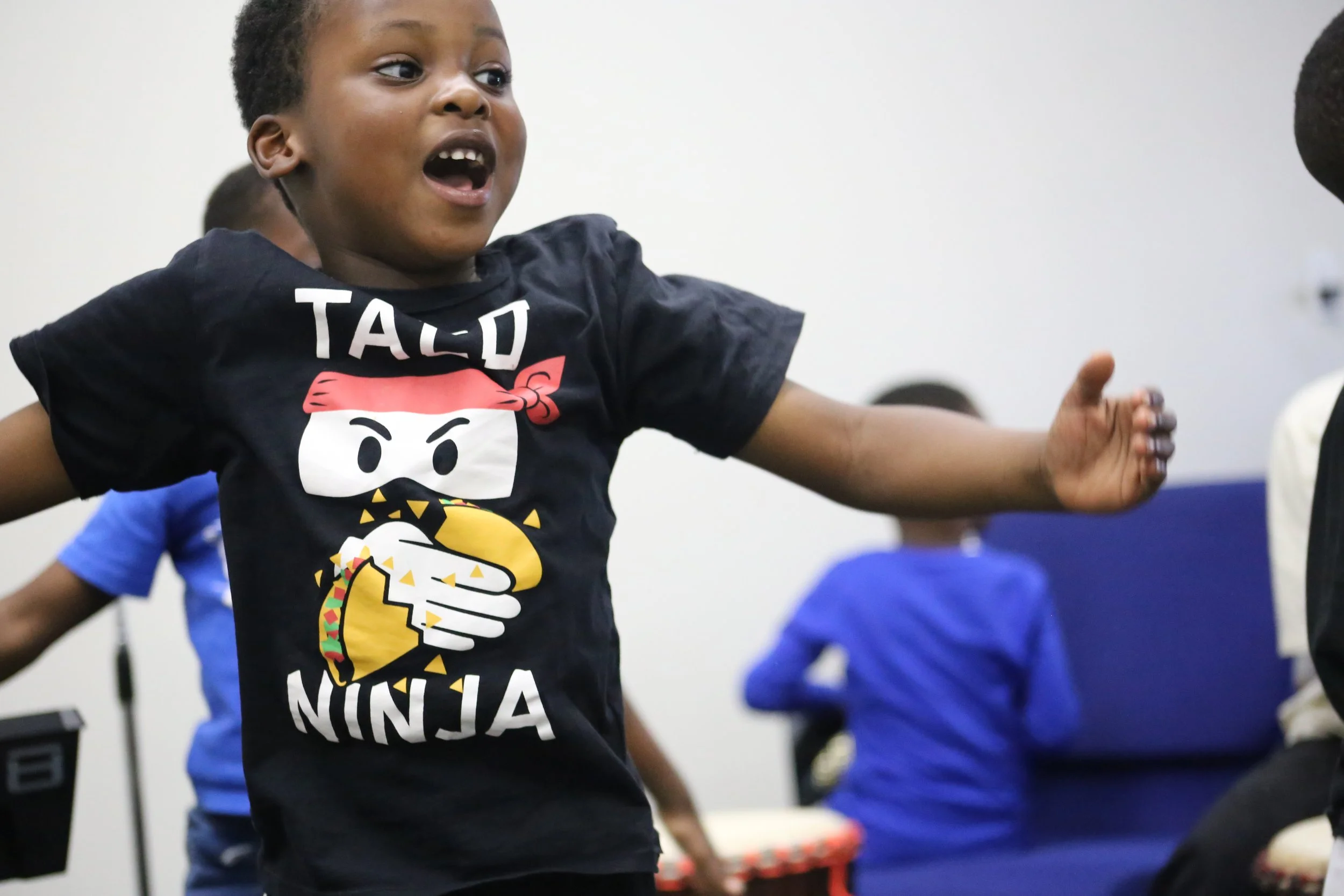
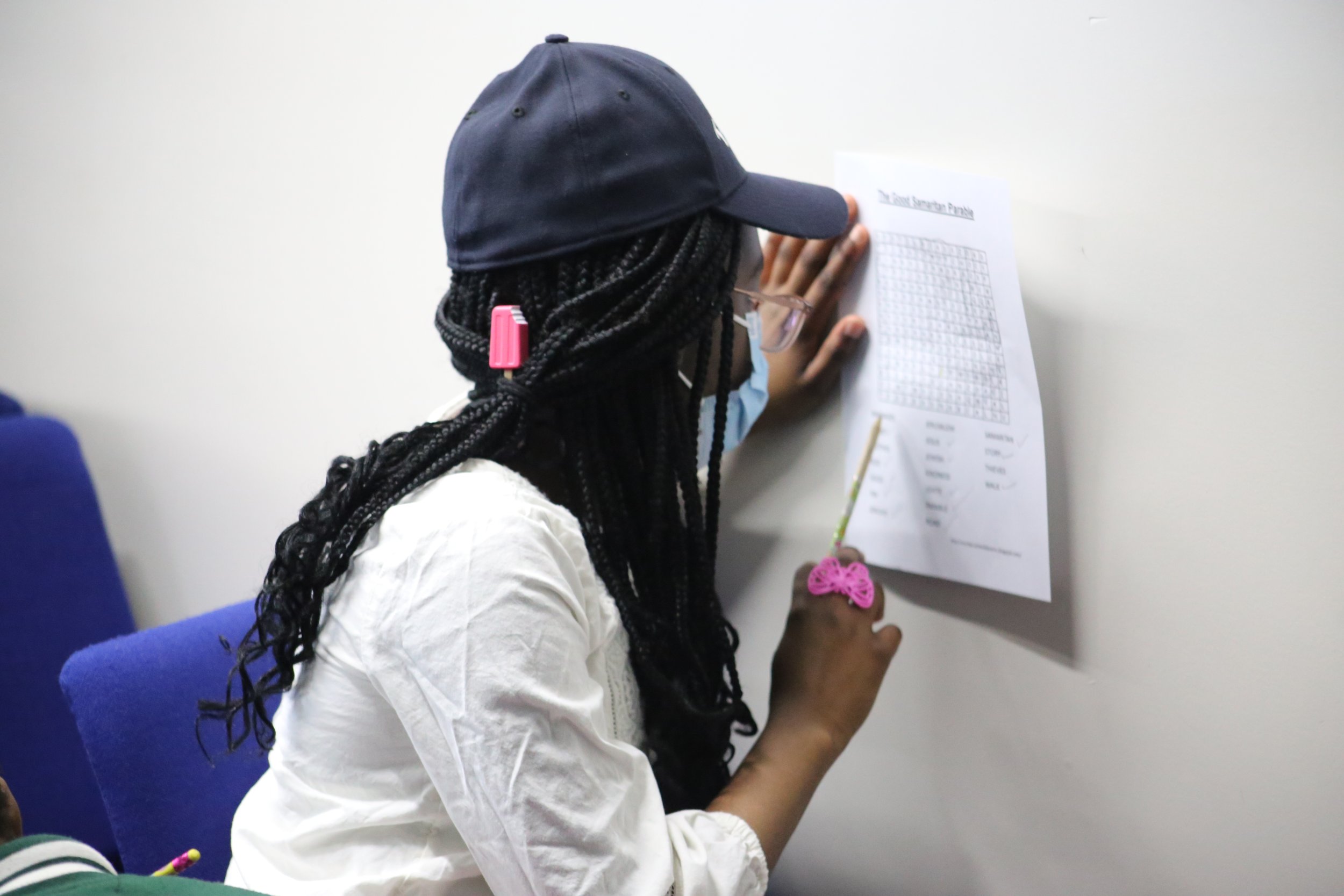
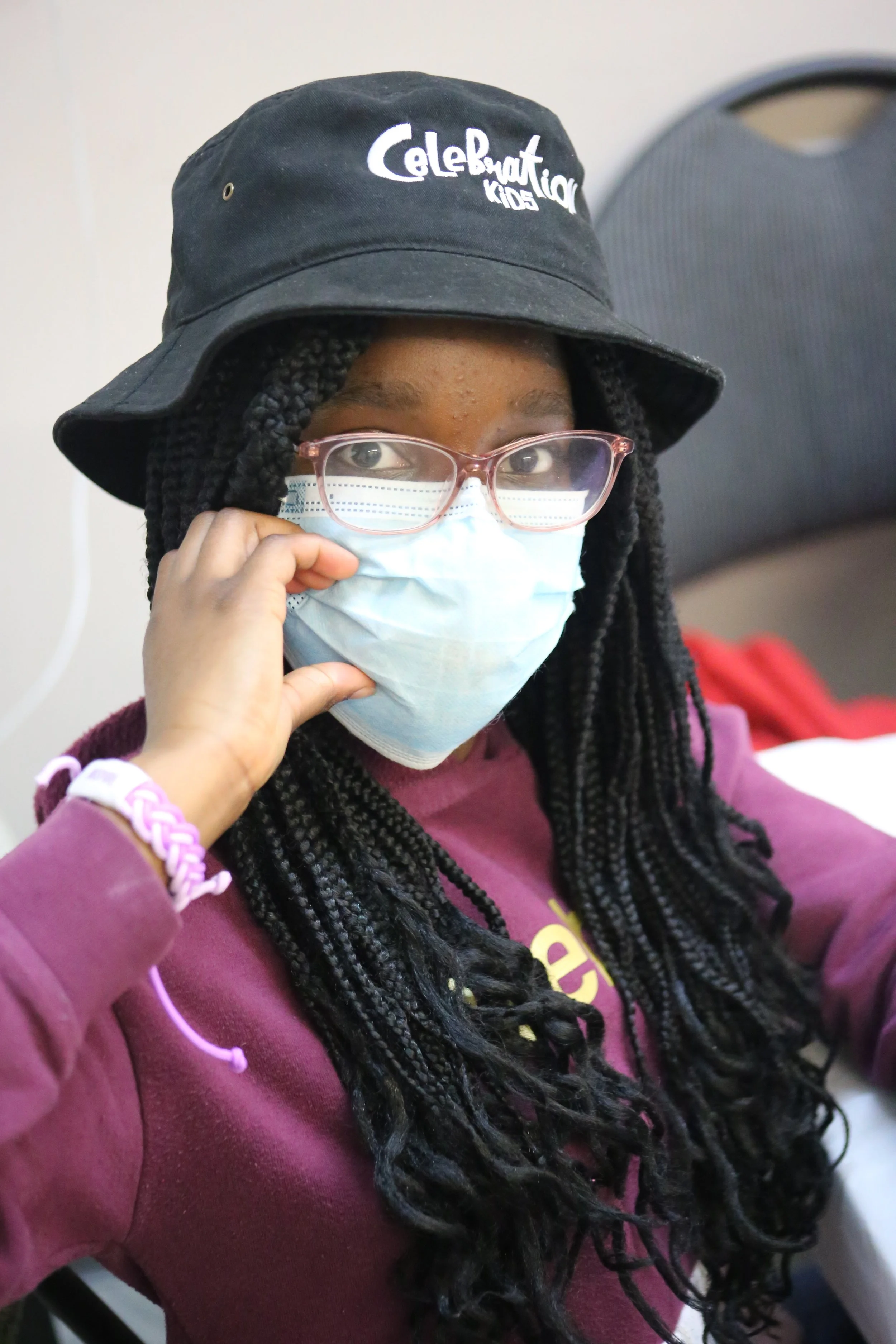
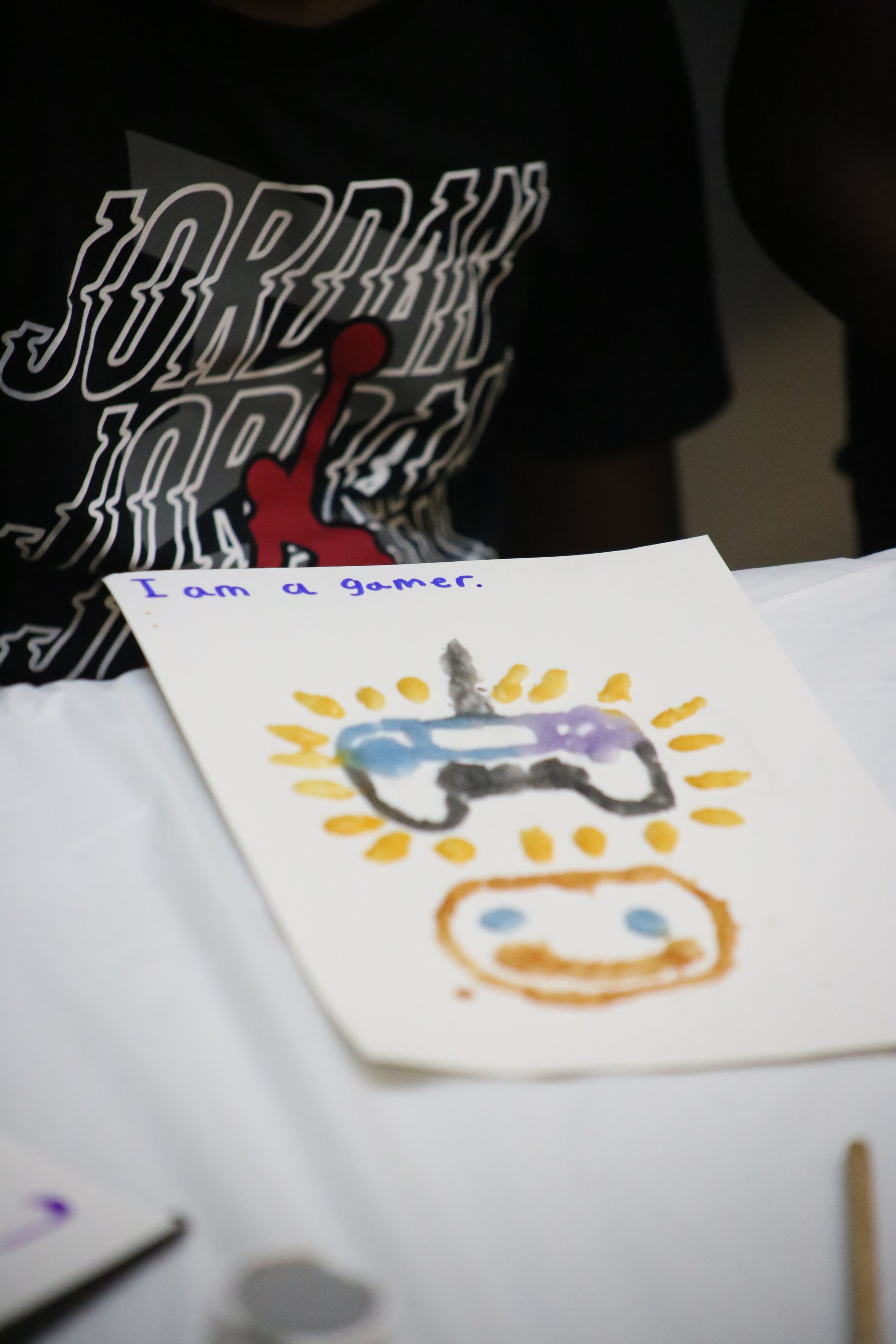
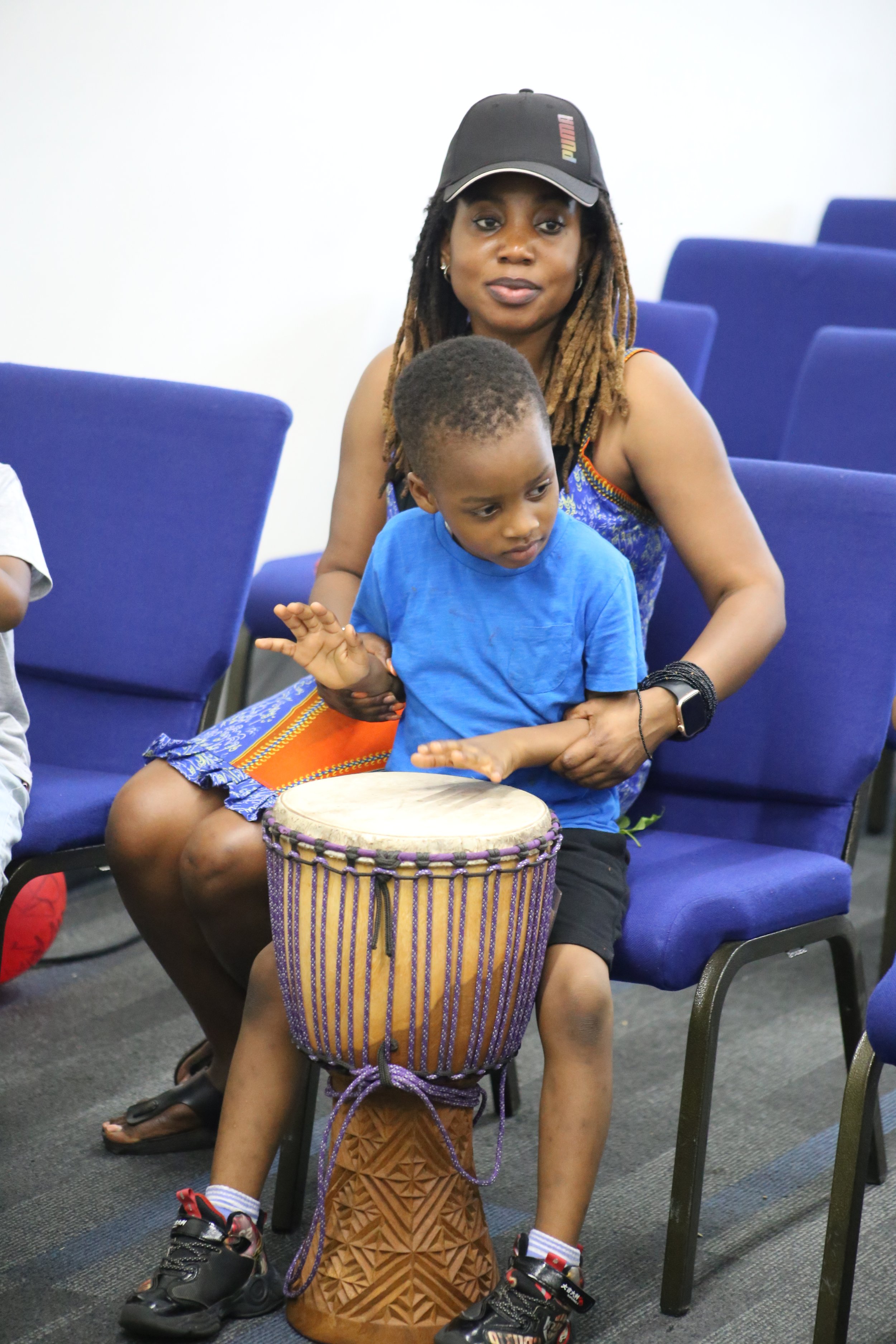
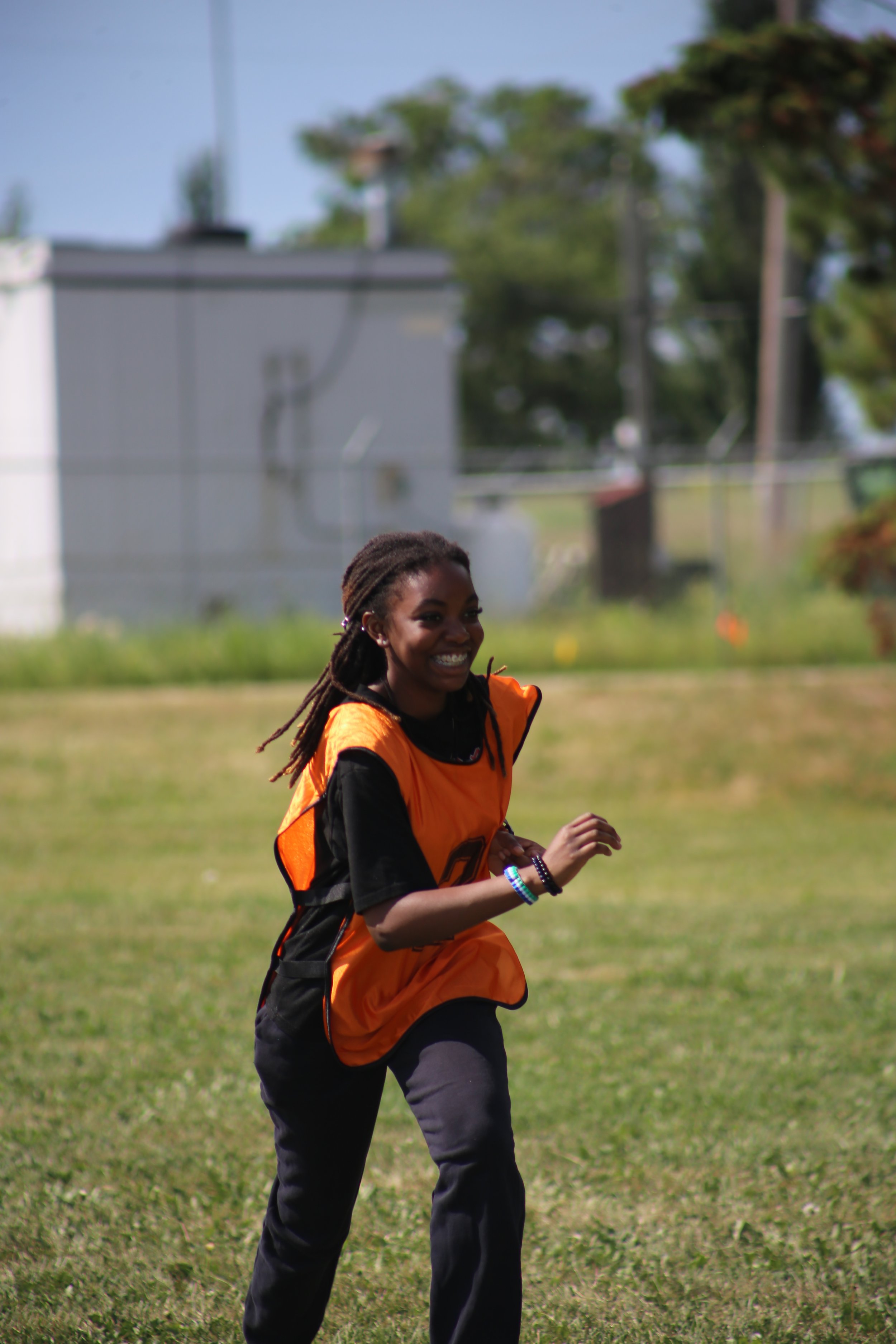
This July, Africentric Arts hosted a transformative summer camp in Stony Plain, bringing together children aged 4 to 12 for an unforgettable experience of creativity, self-discovery, and fun. Over two weeks, campers explored a diverse range of activities that helped them uncover hidden talents and build essential life skills, all while making new friends and creating lasting memories.
Unleashing Hidden Talents
From the moment the camp began, it was clear that this would be no ordinary summer experience. On the first day, we asked the children about their talents. Surprisingly, only a handful could confidently share what they were good at. This observation highlighted a growing concern in today’s digital age—children are gaining digital skills but losing touch with the fundamental building blocks of talent exploration and development.
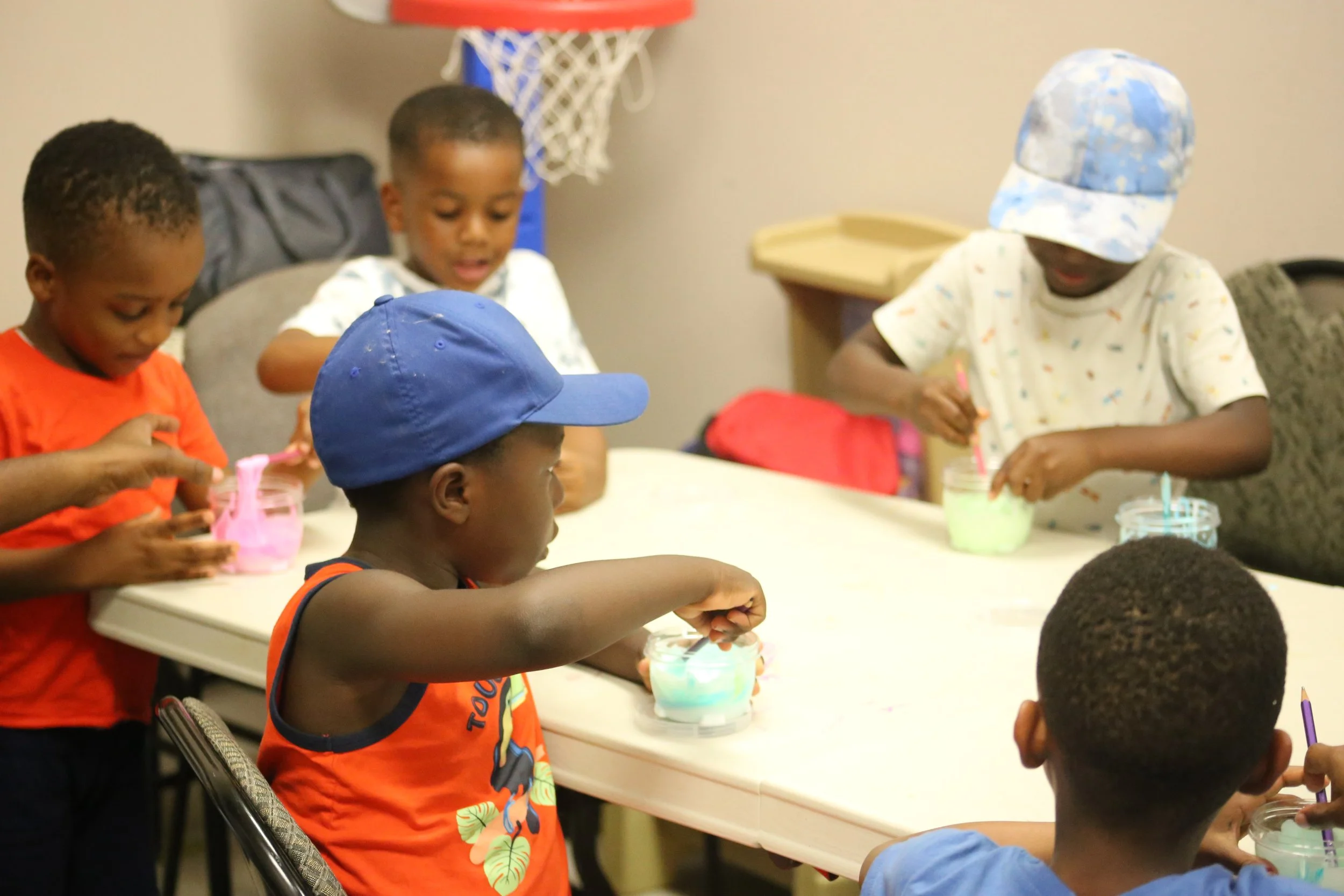
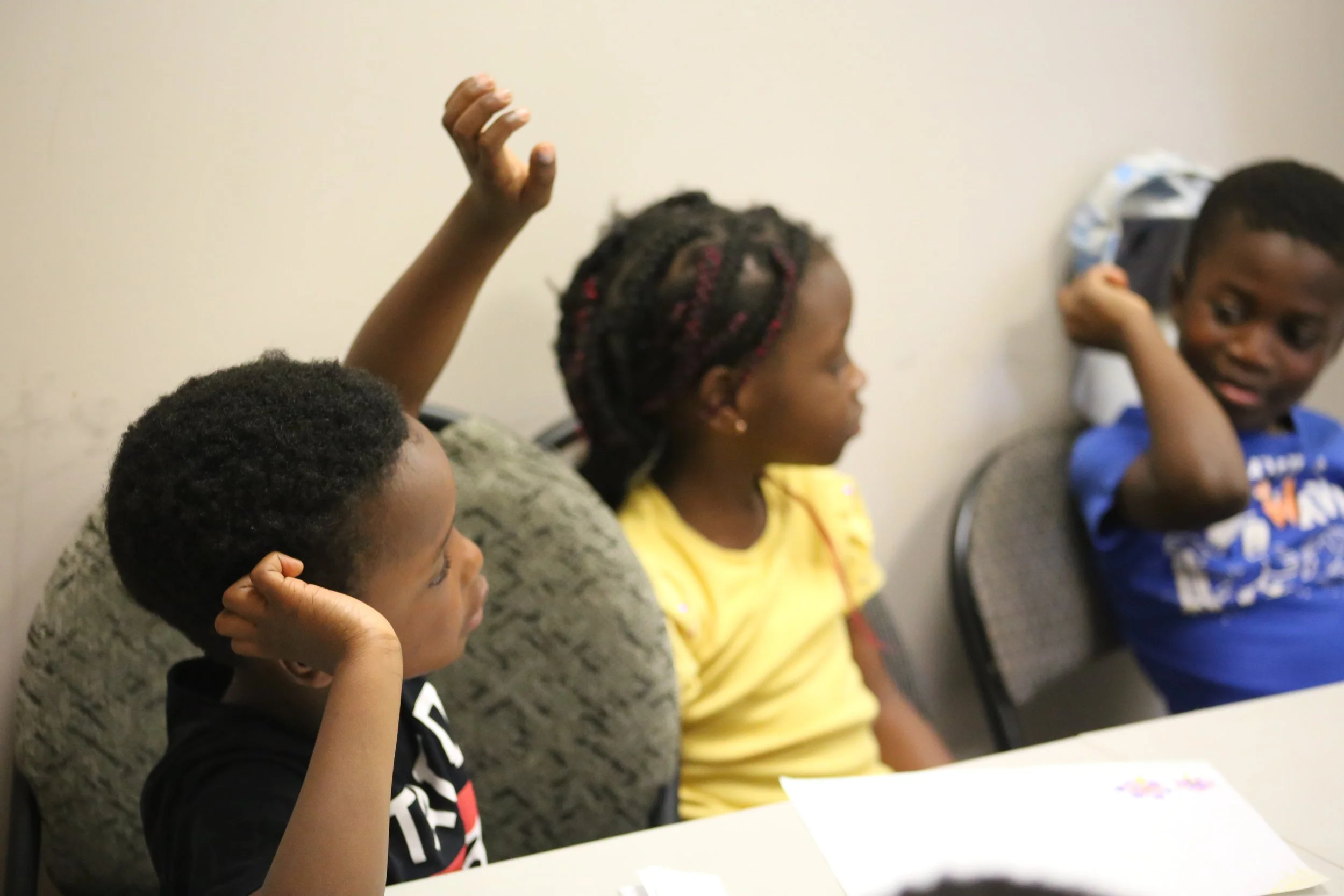
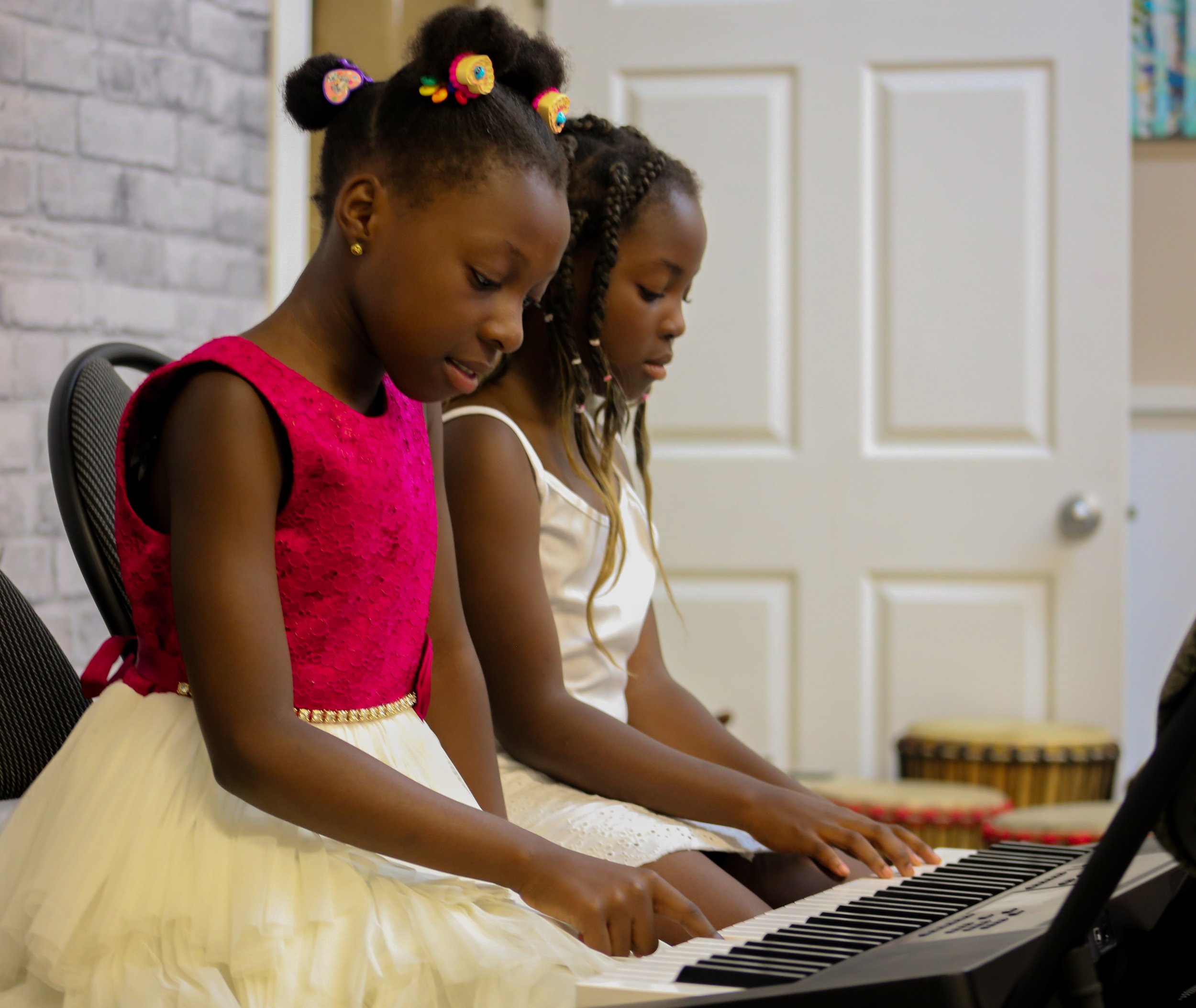
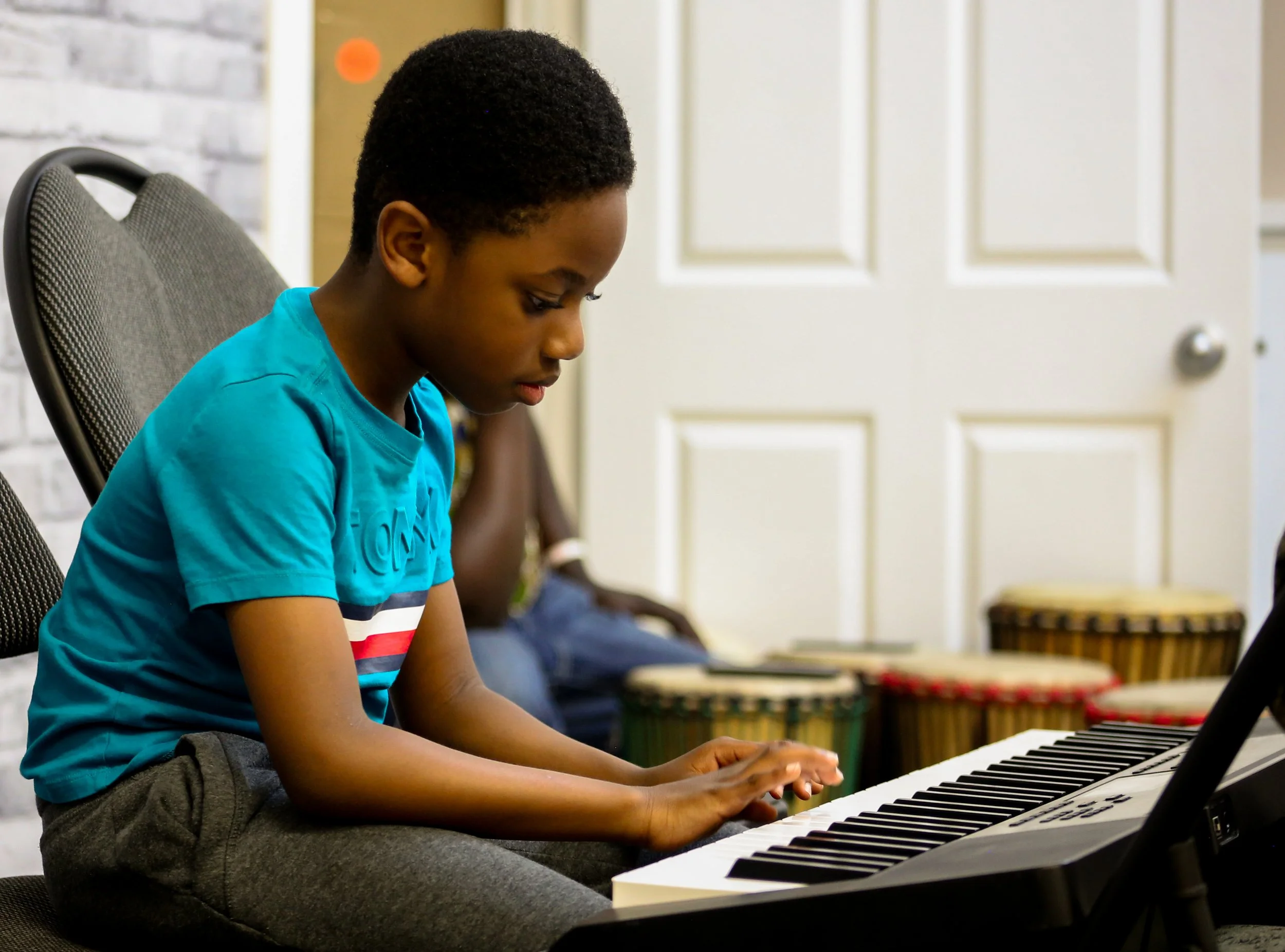
At Africentric Arts Summer Camp, we aimed to address this gap. Through hands-on experiences in djembe drumming, piano playing, drama, debates, and arts and crafts, the children discovered new passions and honed their abilities. Each day was packed with activities designed to engage their minds and ignite their creativity.
Breaking Away from Digital Distractions
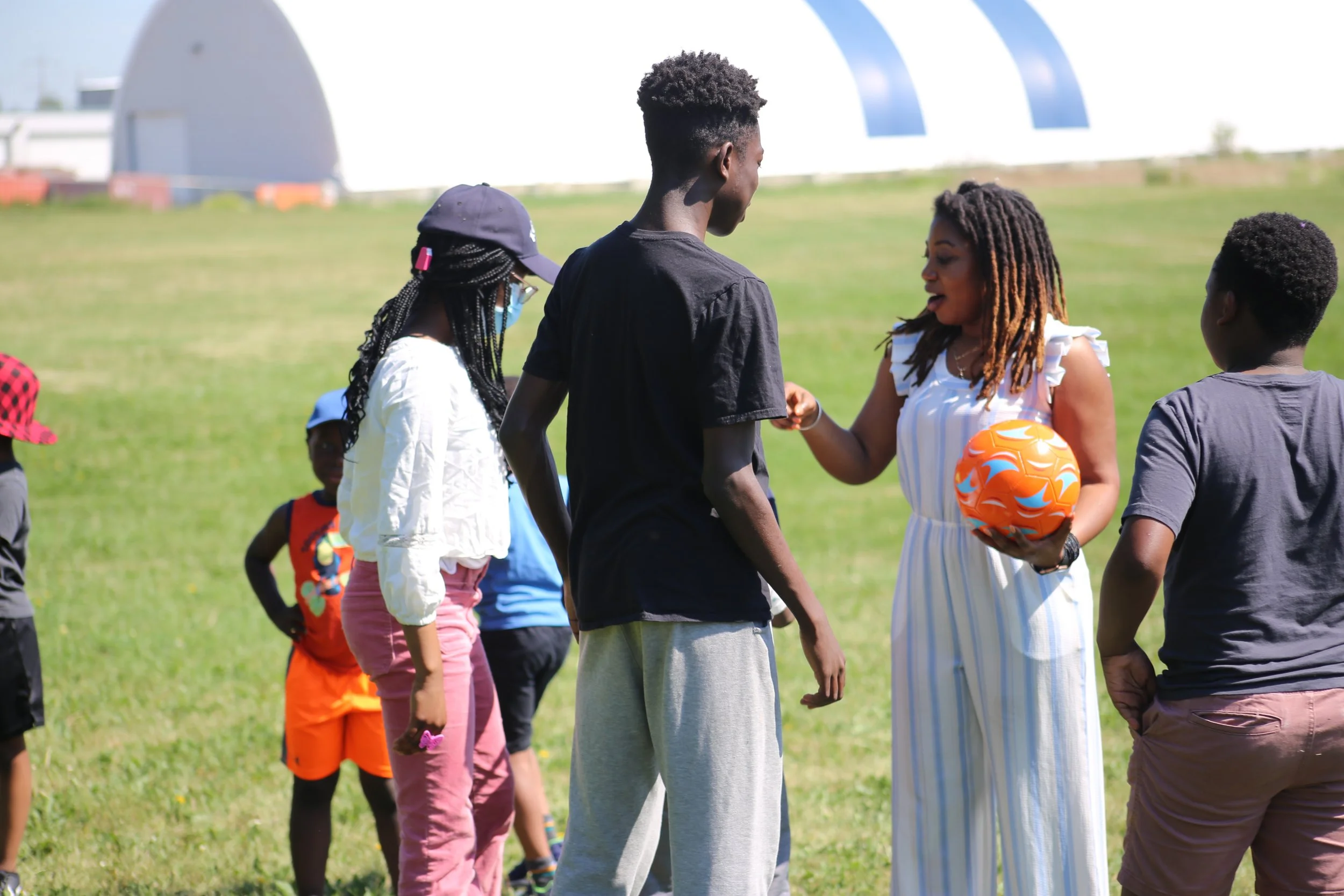
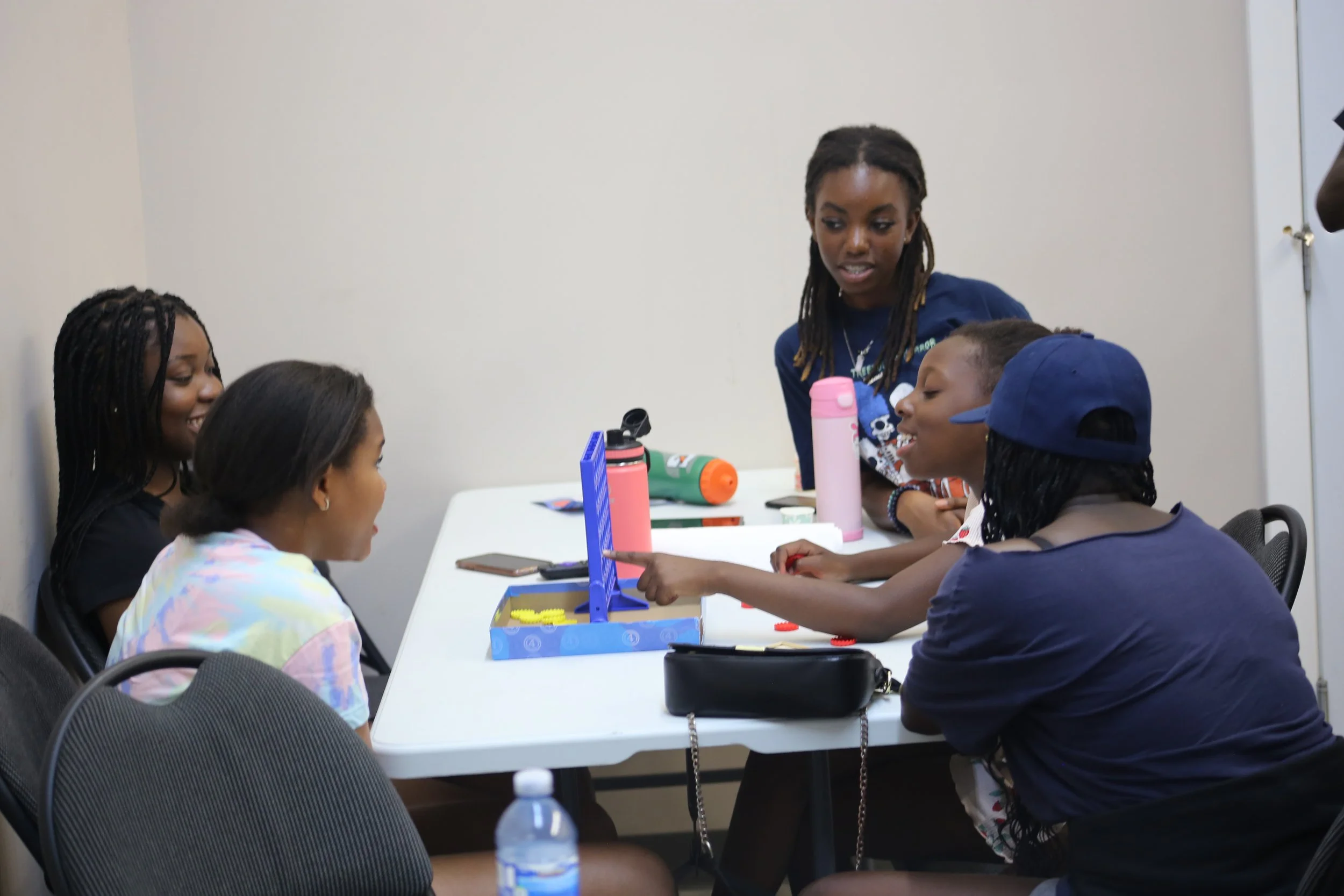
One of the most refreshing aspects of the camp was the natural shift away from electronic devices. Despite no strict rules about screen time, the children were so engrossed in the activities that they rarely thought about their gadgets. From dodgeball and soccer to team-building exercises and debates, the campers were always on the move, learning and playing in a supportive and energetic environment.
Elizabeth, a volunteer camp coordinator, noted, “The kids were so ecstatic about debates, musical performances, and playing together that they didn’t even think about their devices.” This break from digital distractions allowed the children to immerse themselves fully in the camp’s offerings and reconnect with the joy of hands-on learning and social interaction.
Fostering Identity and Community Service
A key component of our camp was helping children understand their identity and the importance of community service. Through arts and crafts sessions focused on self-discovery, campers learned about their strengths and how they could use their talents to serve others. We incorporated stories from the Bible, like the Good Samaritan and David and Goliath, to teach values and inspire the children to make a difference in their communities.
Pastor Hildah Logun of the Redeem Christian Church of God Wonderland Parish in Stony Plain emphasized, “We have to show kids why it’s necessary to serve others and the invaluable rewards that come with it.” These lessons resonated deeply with the children, who began to see themselves as capable of contributing positively to the world around them.
A Grand Finale
The camp session culminated in a talent show that showcased the incredible progress the children had made. Parents watched in awe as their children performed in front of an audience, displaying newfound confidence and skills. The joy and pride on the faces of both the children and their parents were truly heartwarming.
One mother shared, “My son came home every day talking about his friends and singing the songs they learned. He couldn’t wait to get dressed and attend camp each morning.” Such testimonials are a testament to the camp’s impact on the children’s lives.
Looking Ahead
With the success of our July session, we are eagerly looking forward to the next camp session from August 5th to 9th, which promises even more excitement and growth for our young participants. Additionally, we are gearing up for our fall classes, which will offer theatre, djembe drumming, dance, piano and singing lessons, and a leadership course for middle and high school students.
Africentric Arts continues to be a beacon of creativity and cultural education, empowering children and youth to discover their talents, embrace their identities, and serve their communities. We invite you to join us on this incredible journey of growth and learning.
For more information about our upcoming programs and to register, please visit our website or contact us at 647-694-4493.
Stay tuned for more updates and stories from Africentric Arts!
About Africentric Arts
Africentric Arts is a non-profit organization dedicated to empowering children and youth through creative arts activities that reflect African culture. Founded in Toronto in August 2017, Africentric Arts provides a platform for creative expression, enabling children and youth to develop talents and gain meaningful skills for life.