Your Custom Text Here
Three Simple Ways to Introduce Culture to Your Child
Ever wondered how to bridge the gap between your heritage and your child's upbringing? Dive into our latest blog where we unveil three effortless ways to seamlessly weave culture into your child's daily life.
Our identity is a blend of what shapes us and the choices we make. Central to this identity are the cultures and traditions we inherit and embrace. Culture isn't just rituals or practices—it's a connection to a community, a foundation that enriches our mental, physical, and social lives.
Modern times often see global influences challenging traditional norms. For instance, second-generation children might struggle to grasp their parents' native language or traditions. Parents, especially those balancing work and home, might find it a task to bridge this gap. However, with recent changes like the COVID-19 pandemic leading to more family time, it's an opportunity to weave culture into daily routines
Language
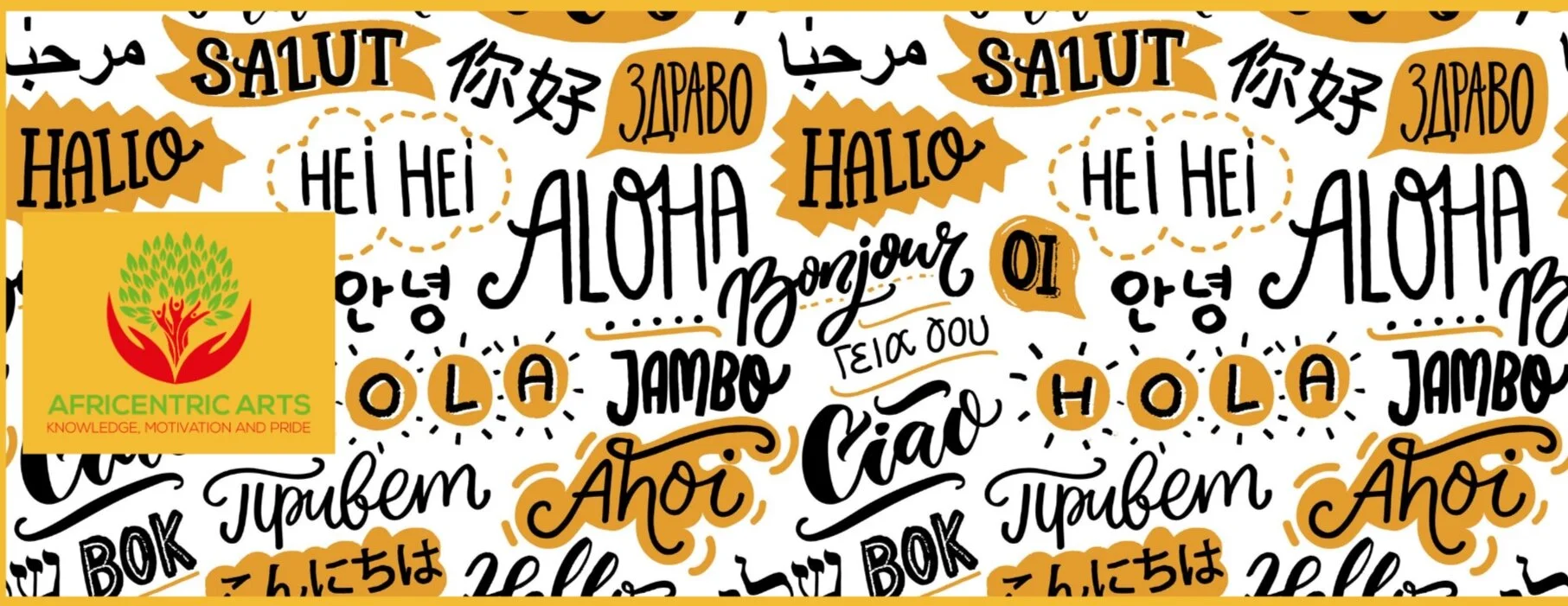
Language is more than words—it's a connection. If you're a parent whose primary language differs from your child's, introducing your native tongue can be a bonding experience. Start with daily phrases and encourage your child to respond in kind. It might feel unfamiliar initially, but repetition and context, like games or daily tasks, can make learning fun and relatable. Displaying idioms or family names and their meanings can serve as daily reminders.Food
Food
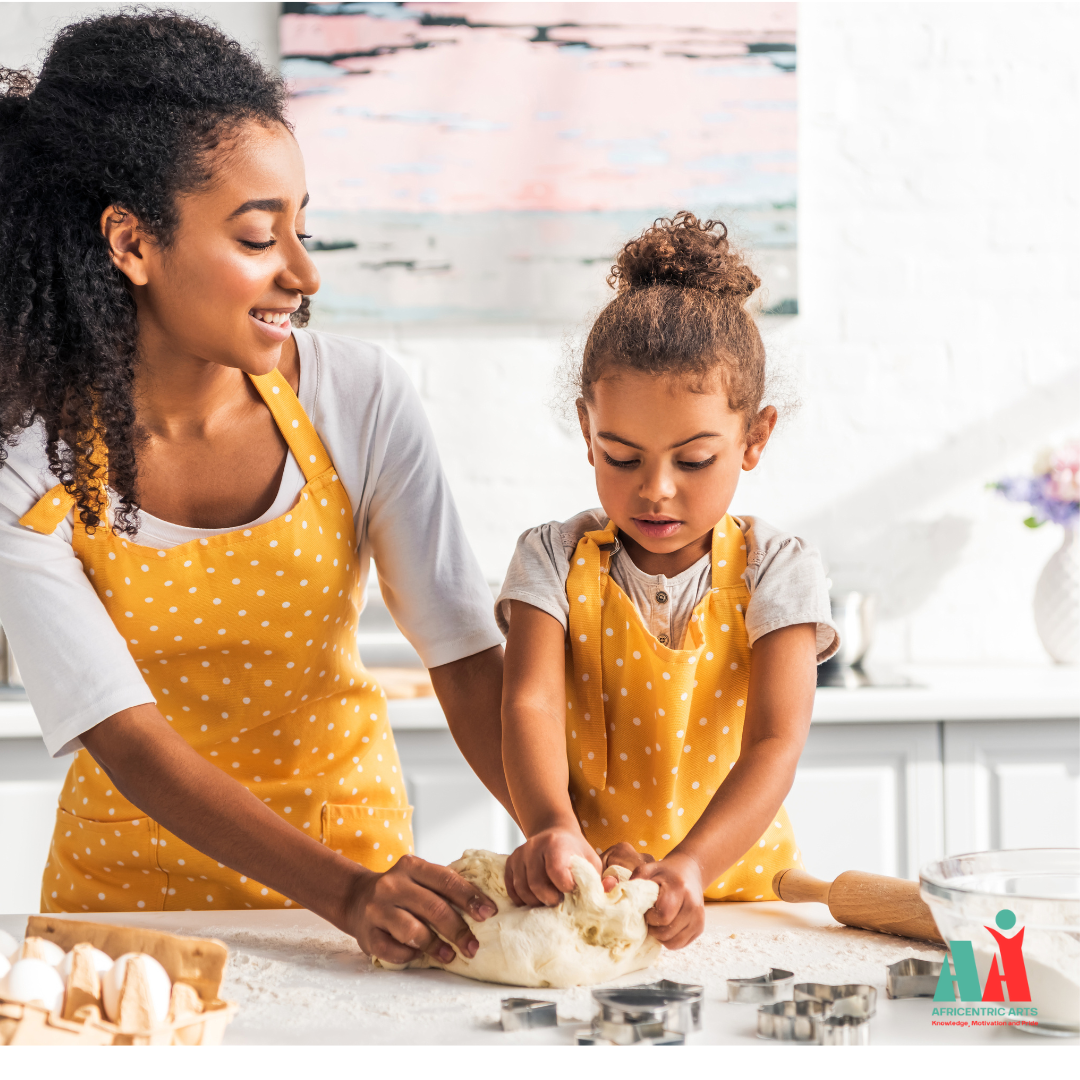
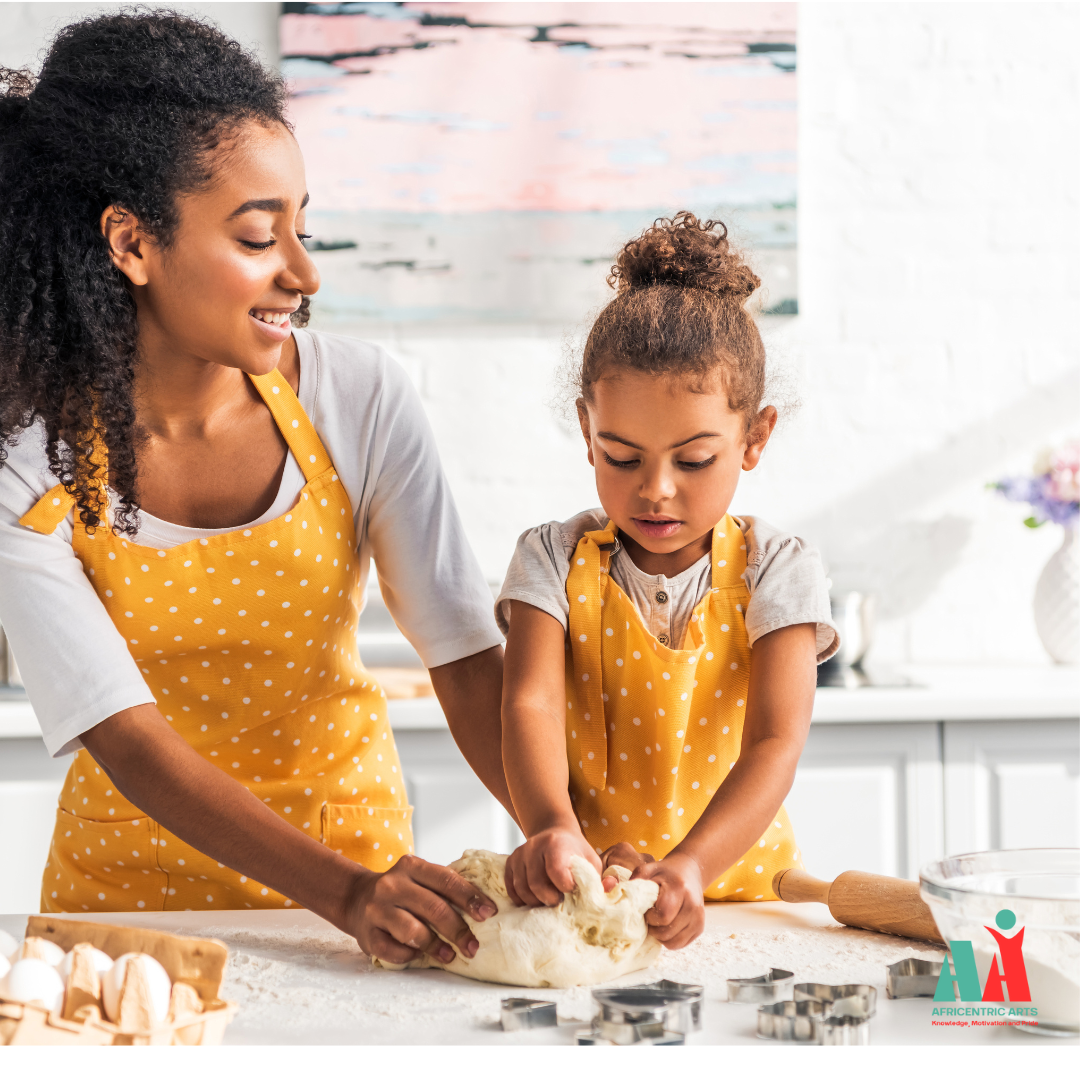
Dishes tell tales of their own. They carry histories, traditions, and memories. Cooking traditional meals not only offers a taste of home but also becomes a sensory experience for children. Platforms like YouTube offer tutorials for even the most intricate recipes. Involve your child in the cooking process, and while you're at it, introduce them to the names of ingredients in your native language. Sharing these dishes can also be an opportunity to discuss the cultural significance of communal eating.
Storytelling
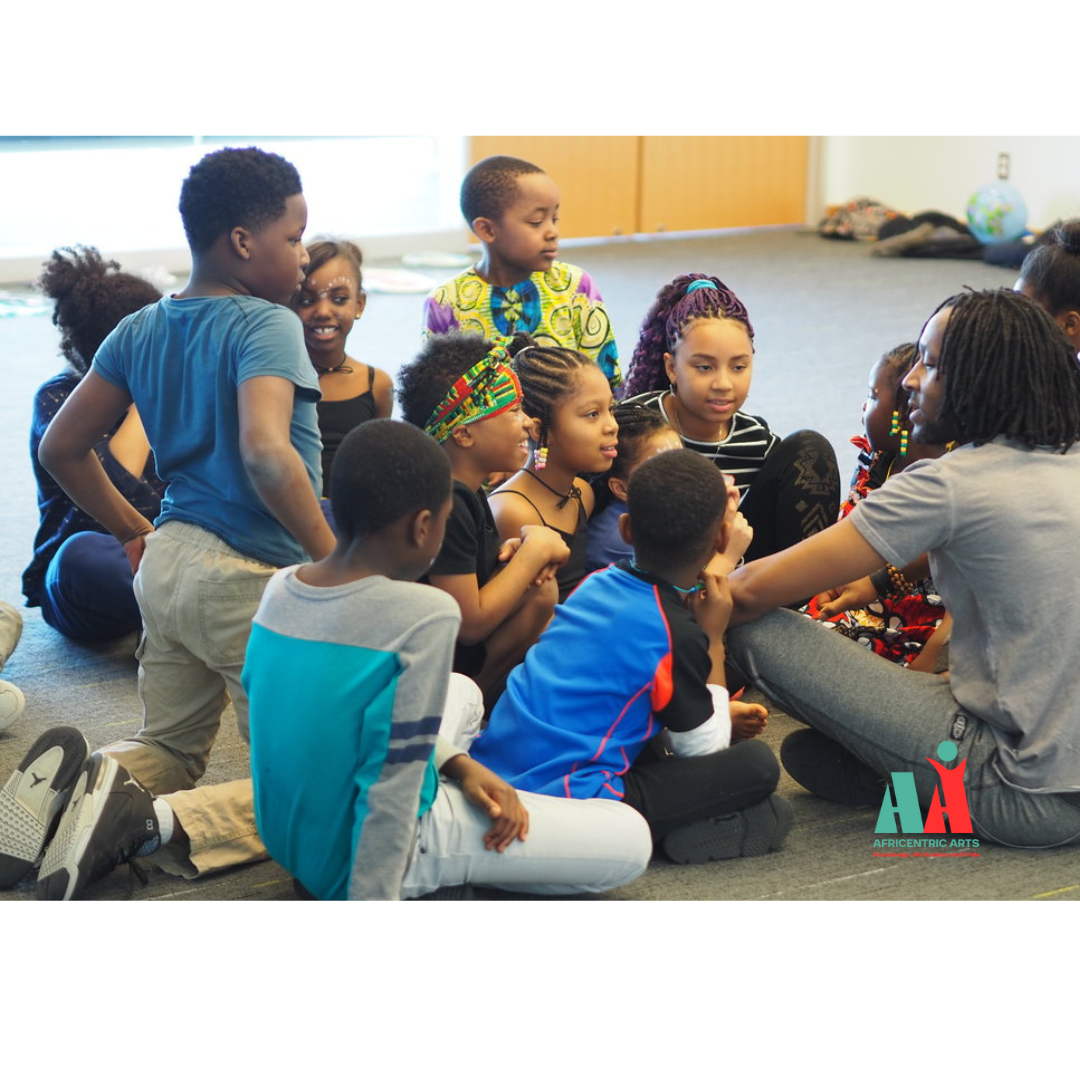
Stories, whether in books, songs, or dances, are bridges to the past. They carry with them lessons, histories, and values. Dive into tales from your culture—be it legends, religious stories, or folktales. Engage your child with performances, art projects, or even simple activities like face painting. For instance, stories like those of Anansi offer lessons wrapped in entertainment.
Introducing culture to children isn't just about teaching—it's about sharing, bonding, and creating lasting memories.
Subscribe to Africentric arts email list to learn about our projects and activities and enroll your child in one of our many cultural programs.
Your Identity is Your Coat of Many Colours
The importance of preserving African Cultures and traditions.
I was a teenager when we migrated to Winnipeg, Canada. We lived in a co-op housing where 60% of the residents were of African descent and 40% Caribbean. I felt the segregation among the children during the Summer of my arrival. I would have understood if being the new kid on the block was my only challenge, but no, I also had to recognize the fact that me being African alone would be a significant challenge.
There were many kids in that community and shortly after we arrived a few more African kids moved into the house next to us. We were different. We spoke with a heavy African accent. We wore clothes that were not trendy but comfortable enough for us to adjust to the weather. We acted differently than the “Canadian” kids. I quickly learned that two people of the same sex should not be holding hands if you are not family. Also, that not giving eye contact during a conversation is disrespectful. I watched as my other African friends got laughed at in the playground and at school. I spoke less. I observed from the sidelines. I practiced. I imitated, and soon enough I was no longer African, and my background became a guessing game.
I was born in Freetown, Sierra Leone among ten or more ethnic groups. I heard many dialects and could understand the basics of few. I went to a private school, and I use to enjoy field trips. We use to live in a big compound with lots of extended families. We share food, space, and resources. Children played freely and creatively. Respect for elders and authority was the core of my upbringing. Every adult is called uncle and aunty or Mr. and Mrs. At age seven I was already helping with basic house chores. Diversity was more on social status, skin tone, religion, and ethnicity. With my understanding, social status was the worst. I moved to Guinea when I was about nine years old. The culture was slightly the same as in Sierra Leone but with significant differences. French is their official language, and Islam is the dominant religion. The music is different. People dress mostly in African prints. It seems like colonization had less impact there than it was in Sierra Leone. The cultural practices for marriages, religion, family, and community is practiced heavily. I enjoyed walking with my new friends to fetch water from the nearby well. They called me a foreigner because I spoke English and wore western clothing. People loved being around me because I would teach them English and learned French or their local languages from them. I wore beads around my wrist and waist and soon blend in nicely.
I later moved to The Gambia, a neighboring country to Guinea. I learn their language. Went to school there and made many friends and also took courses in Islam. I was also called a foreigner because I spoke English well and dress as they described it like “the white man.” I learned about their culture and of griots who passed down history through story-telling. I learn to dance like them and learn all about their famous musicians. The food was different but delicious. After two years, I blended nicely.
At some point in my adulthood, I had an outer body reflection and started to see things differently. There is sometimes that quizzical look on people’s faces when I tell them am African. My ability to blend in sometimes leave me without an identity. Though my pursuit to merge some of the qualities that were once unique to me became barely visible. I was no longer Joseph’s colorful coat.
I also realize that I wasn’t alone and that most times societal structure forces people to blend rather than stand out and be appreciated for who they are. Even after Rev. Jesse Jackson coined the term African-American twenty four years ago, some Black people still refuse to be labeled African. I also realize the divide with most immigrant groups. There are those that blend in entirely and those that shine the light of their culture brightly. One is deemed “civilized” while the other is sometimes looked down upon. In my opinion, the latter is the toughest. Being Black outside Africa comes with many challenges even for those that assimilate neatly into European culture. When we choose to blend into another culture and completely submerge our identities, we lose our unique identity. Our children will not gain the opportunity to learn about the beauty of our uniqueness and experiences. Other people’s actions and interpretations will profoundly influence Their understanding, interest, and acceptance of our culture. Also, when we pretend that we are no longer Africans, we are causing segregation within our ethnicity. So like Chinua Achebe mentioned we would put a knife onto the things that held us together and we would fall apart.
Systemic oppression of Black people was and still is an attempt to ethnical genocide. During slavery days, “No longer were they Yorubas, Ashantis, or Akans. Now they were colored, niggers, or negroes.” (Hale,1988). However, through resistance, Black people have reclaimed and passed on their African culture as we see today. The Negro Act of 1740 and the Black Code of Louisiana prohibited Black slaves from practicing their African culture of community togetherness through music, dance, and arts. Today we have proud African Americans like former US president Barack Obama, Beyoncé, and Oprah. The Black culture of music and art is dominated and highly admired in our present culture. Being openly proud of your cultural background is beneficial to your wellbeing as well as those around you. We have to embrace and be proud of our Blackness, our history as Africans and our values as a community of people who share rich cultures and traditions. We have to pass down those attributes to our children so they can be proud of their lineage and be empowered to challenge racism and discrimination. Pride in one’s culture create motivation to drive and support others. When we choose not to assimilate, it is easier for others to identify with us, learn and grow with us. We will also form friendships, create opportunities and build stronger networks within and beyond our communities.
Written by Francess Ukut