Chapter 4: Solutions Discovery
The tale of two giants: Netflix and Blockbuster
So far, we have focused on understanding problems: the frustrations and roadblocks people face.
As an entrepreneurial leader, finding a problem is the starting point. Now it is time to explore solutions: ways to make things better for the people experiencing it.
-
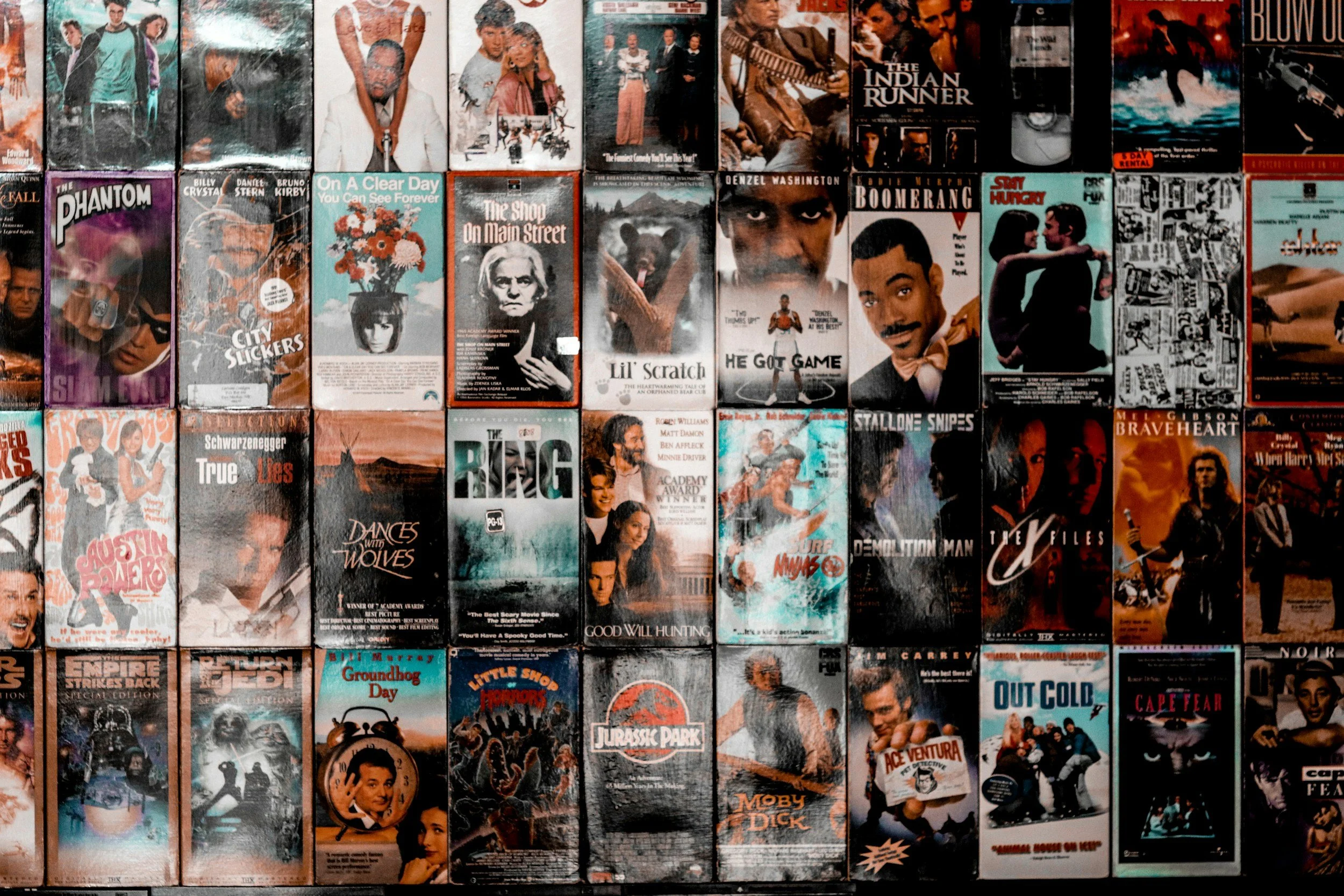
Once upon a time, if you wanted to watch a movie at home on a Friday night, you went to a store like Blockbuster. Its walls were packed with VHS tapes and DVDs.
But customers faced major frustrations:
The store trip took time: You could drive there only to find that every copy of the movie you wanted had been rented out.
Late fees cost money: If you returned a movie late, you were charged extra.
Netflix offered a different answer. Customers could choose DVDs online and have them mailed to their homes [0:15]. Netflix later introduced a subscription without due dates or late fees [0:22].
Netflix kept improving its answer as technology changed. It introduced streaming in 2007 [0:34], expanded around the world [0:46], and later invested in its own shows and movies, as well as gaming, while competition grew [1:00, 1:15].
Blockbuster struggled to move beyond its stores and filed for bankruptcy in 2010 [1:28].
The big lesson: A successful solution cannot stay the same forever. Businesses need to keep improving how they address customers’ frustrations as technology and competition change [1:35].
-
Moving from Problem to Solution
Start with the problem: Customers wanted to watch movies at home, but going to a store took time and the movie they wanted might be unavailable.
Create an answer that helps: Netflix let customers order DVDs from home. Removing the store trip made renting more convenient.
Keep improving the answer: Netflix moved beyond DVDs by mail as technology changed. Blockbuster struggled to move beyond its stores.
-
What problem did Netflix notice when people rented movies?
What did Netflix change to make renting movies easier?
Think of a problem you faced this week. What made it frustrating? What did you do about it? Did that solve the problem, or is it still there?
Think about the problem you found for your project. What is one thing you could change to help? How would you know if it worked?
Other Resources
What is a Solution?
Think about how many ideas you have in a day. I want to create a gaming system for young people. I want to help people who are experiencing homelessness find housing. An idea might come from something you enjoy, something that frustrates you, or something you wish you could change.
Most ideas stay in our heads. We think about them, talk about them, and then move on. In the examples of organizations that solve problems, you read how they took their ideas to the next level. They saw a need and did something about it.
Entrepreneurial leaders take ideas further. They decide which problem to address, choose something they can do, put their idea into action, and learn from what happens.
“A solution puts an idea into action to address a specific problem and make things better for those affected.”
— The Africentric Arts View
A solution begins when someone notices that something is wrong or missing. The problem might affect people, animals, or the planet. Noticing it matters, but noticing alone does not change what happens. Someone has to decide, “I can do something about this,” and act on that decision.
The action depends on the problem. You might prevent harm before it happens, stop something that is causing harm, or improve a situation that is not working well. That is why the organizations you read about did not all take the same approach. Each responded to the need it had identified.
And this is where you come in. You do not need to own a company or lead a large organization to create a solution. The people who started those organizations had to begin by noticing a problem and choosing to act. You can do the same with the problem you selected in the last chapter. Your idea becomes meaningful when you use it to make a change for those affected.
What Can a Solution Look Like?
A problem does not have only one possible answer. People can respond to the same need in different ways, and each approach can create a different experience for those affected. This is why solutions are flexible: one solution can bring several approaches together to address the problem. You can shape a solution around the change people need, whether that means improving one part of their experience or several parts at once.
Three Ways to Turn an Idea into a Solution
-
A product is something made or developed to meet a need. It can be a physical item or a digital creation.
Example 1: Netflix’s streaming app is a digital product.
Example 2: Students keep losing their water bottles at school. A bottle with a built-in name label could help them identify their own bottles when they get mixed up.
-
A service is work done to meet a need or address a problem.
Example 1: Netflix’s movie rental service let customers choose DVDs and receive them at home.
Example 2: Some students need help with homework but have no one available to explain it after school. A peer tutoring service could connect them with students who can help. The tutoring is the service.
Example 3: Dog walking to help care for animals and supports their owners.
-
A process is a new or improved way of doing something.
Example 1: Netflix changed how people rented movies. Customers could choose DVDs online, receive them by mail and mail them back.
Example 2: Children spend a long time ordering at an ice cream truck because they cannot see the menu from the line. Moving an updated menu to where they wait changes the ordering process: children can choose before reaching the window.
Example 3: Booking an appointment online instead of calling.
Example 4: Using an automated checkout system instead of going to a cashier.
Note:
One solution can include more than one form.
Netflix offered a movie rental service, used a website and later an app as digital products, and changed the process customers followed to get a movie.
A dog-walking business might provide the service of walking dogs, use an app as a product to arrange bookings, and create a process for sharing updates with dog owners. Together, these parts help address the same need.
As you think about solutions to the problem you identified, consider whether your idea could become a product, service, process, or a combination of them.

Let’s talk about it
-
Name one product you use every day. How does it help you?
-
Name one service you used this week. How did it help you?
-
Name one process that made something easier for you this month. What changed?
Note: A process is a way of doing something
What kind of solution is it?
Other Resources
The Value of a Solution
A useful solution makes a real difference for the people facing a problem. That difference is its value. It is the benefit they receive when the solution helps them do something they need or want to do.
To understand where that value comes from, think of a solution as having an engine, a door, and a heart:
The engine
(How it runs)
The engine allows a solution to do its job. A solution needs to work, work well, and keep working.
-
The solution has what it needs to do the task it was made for. This includes the features, parts, or abilities needed to carry out that task.
Examples:
A pen needs ink and a tip that transfers the ink to paper.
A calendar app needs to send reminders.
A grocery delivery app needs to let a family place an order from home.
A water bottle needs a lid that seals so it does not soak the books in a student’s backpack.
-
The solution does its job efficiently or gives people a better result. This includes how quickly it works, how much effort it saves, and the quality of the result.
Examples:
A pen with quick-drying ink helps prevent smudges and lets someone keep writing without waiting for the ink to dry.
A robotic vacuum cleans the floor without someone pushing it around, saving effort.
-
The solution continues to do what it promises when people need it. This includes working consistently and lasting beyond the first few uses.
Examples:
A reliable pen writes smoothly, does not leak in a pocket, and does not dry out too quickly.
A phone battery lasts through the day.
A roof keeps rain out during a storm.
Software runs without frequent crashes.
The door
(How it runs)
Even a solution that works well has limited value if the people it is meant to help cannot reach it, use it, or afford it. The door is about removing those barriers.
-
The solution removes barriers so different people can get to it and benefit from it. This includes barriers related to location, disability, language, or access to equipment.
Examples:
A pen with a thick, textured body may be easier for a child learning to write or a person with arthritis to hold.
An online workshop lets someone join when they cannot travel to the meeting place.
A library that lends laptops gives students without a computer at home a way to complete their assignments.
-
People can understand what to do without a long explanation or unnecessary effort. This includes making instructions clear, reducing the steps needed to complete a task, and removing frustration.
Examples:
A sign with pictures and prices makes it easier to order a snack.
An app with one clear button for booking an appointment helps people finish the task without searching through several screens.
-
The people the solution is meant to help can pay for it without financial strain. This includes keeping the price within their budget or helping them avoid extra costs.
Examples:
A reusable snack bag can replace disposable bags a family would otherwise buy repeatedly.
Netflix’s DVD subscription removed late fees for customers who kept a movie longer than expected.
The heart
(How people feel)
A solution can also change someone’s experience and how they feel about it.
-
The solution connects with people’s emotions and makes their experience better. This includes easing worry, adding enjoyment, bringing relief, or building confidence.
Examples:
A fitness game lets friends exercise together while completing challenges.
An art kit gives someone everything they need to try painting at home.
A tutor helps a student understand a difficult topic so they feel ready to try the next assignment.
A beginner’s swimming class helps someone feel more comfortable getting into the water.

Let’s talk about it
-
Name a product, service, or process that saves people time.
-
Name a product, service, or process that helps people save money.
-
Name a product, service, or process that adds enjoyment to someone’s day.
Other Resources
What Makes a Good Problem Solver?
You do not need to look far to find a problem. You may see one at school, at work, online, or in your community. Sometimes you are the person dealing with it; sometimes you notice what it is doing to someone else. Either way, noticing it is only the beginning.
A problem can also reveal an opportunity to change something. Some people look for ways to help animals trapped in plastic waste at sea. Others work to bring clean drinking water to people who cannot access it. These are difficult problems, and the answers may be risky or unpopular. Yet people of different ages, backgrounds, and abilities choose to work on them.
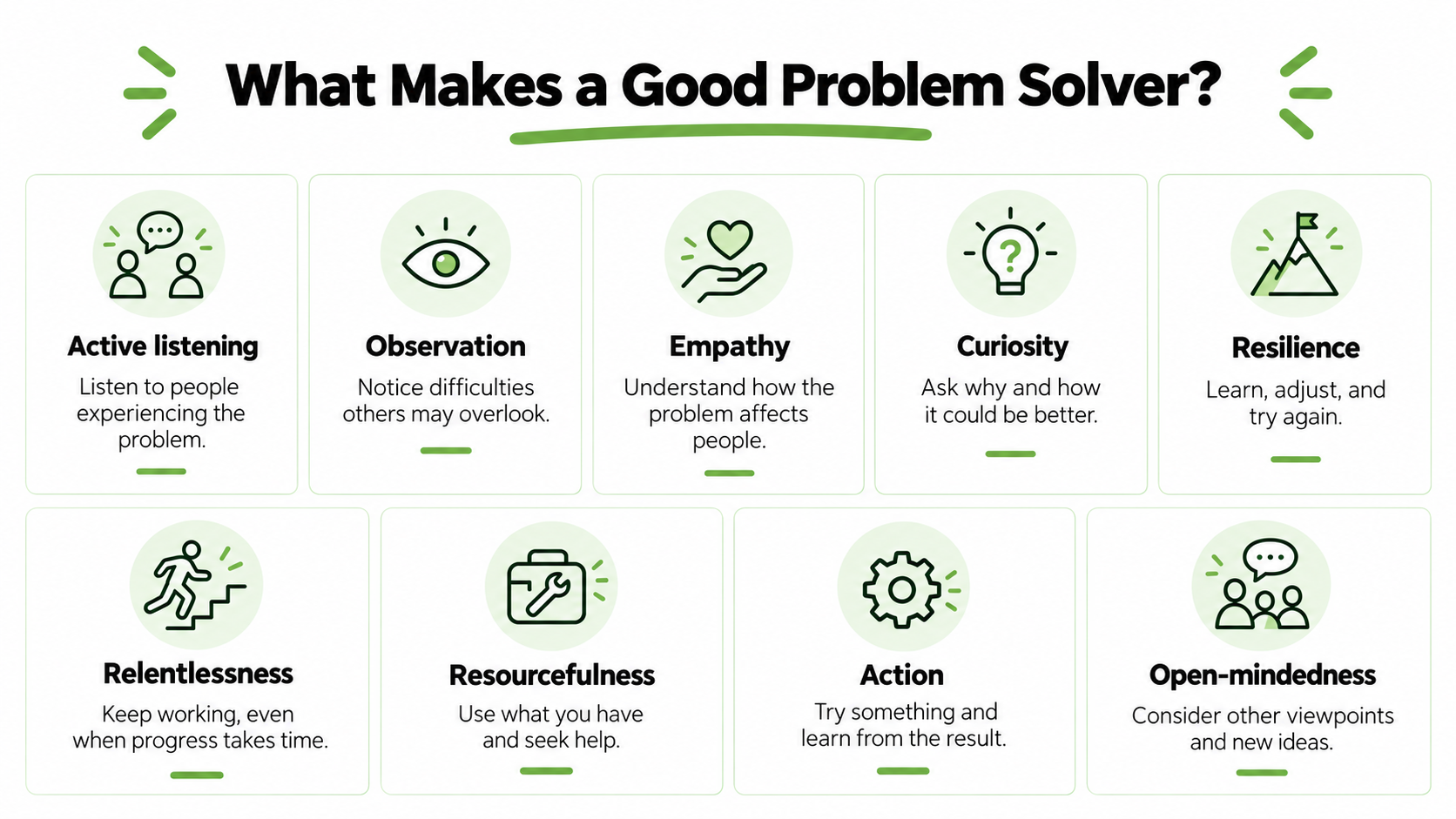
An entrepreneurial leader decides that a problem deserves attention and stays with it long enough to develop an answer that makes a difference. What helps someone keep going when the answer is not obvious?
These are the traits of a good problem solver:
Knowledge Check